| To‘liq matnni ko‘chirib olish uchun kutubxonaga a'zo bo‘lish shart | |
|---|---|
| Hujjat turi: | O‘quv qo‘llanma |
| Nashr tili: | Inglizcha |
| Kataloglashtirish manbai: | Inglizcha |
| Hujjat tipi: | Elektron shaklda |
| Kirish huquq turi: | YOPIQ KIRISH |
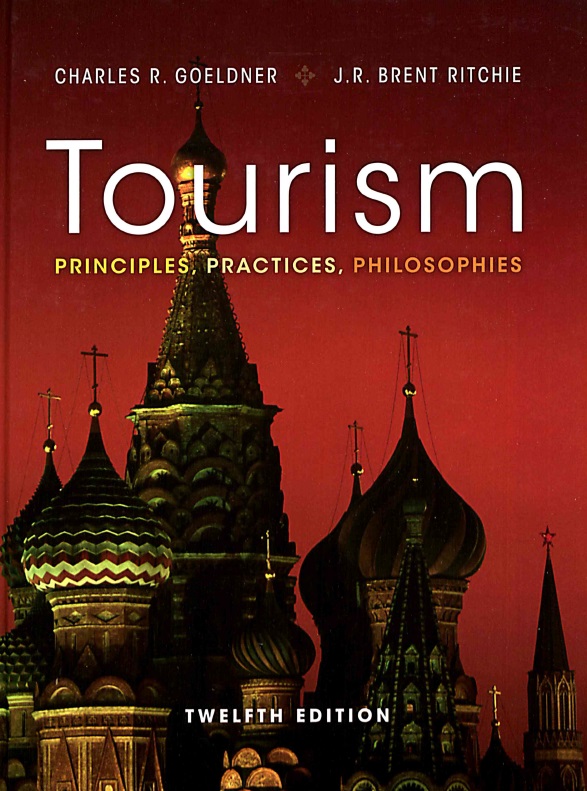
Tourism
Kitob mualliflari
Space travel, only a few years ago the dream of a few space pioneers, is now a featured story in the travel sections of leading newspapers. Billionaires write checks for a place in line to go into space while ordinary travelers note the emergence of the megaplane, the Airbus A380, with potential capacity of over 800. Meanwhile Boeing has responded with the smaller, lighter Boeing 787 Dreamliner about to enter commercial service. Most important, tourism planners recognize that technological change, peak oil prices, climate change, and other environmental issues necessitate adaptation if tourism is to thrive. And while tourism planners remain human, just over the horizon they foresee the imminent arrival of nonhuman robots who are about to change the future face of tourism—particularly as it pertains to the provision of routine services and the fulfillment of repetitive tasks required to keep the tourism product functional. The industry must respond to these challenges and opportunities plus deal with options generated by the proliferation of travel blogs and social networking sites such as Facebook, Linkedin, YouTube, Twitter, and MySpace, which change the stream of communication about travel and tourism, -urthermore, security continues to present challenges and added cost. These factors underscore why the globe's most dynamic industry demands constant reassessment. Although basic tourism principles remain, applications must constantly be reevaluated in light of new developments and more challenging economic times. Nevertheless, the world's largest industry, tourism, continues to grow even more as millions of travelers from such booming economies as China, India, Brazil, and Russia seek culture, comfortable climates, and recreation in offshore destinations. At the same time, additional millions of retiring baby boomers from industrialized nations will take advantage of leisure time to enjoy increased travel. All are lured to pack their bags as increasing access to the Internet and television whet appetites to see the modern wonders of the world. The travel industry must respond. Accordingly, Tourism. Twelfth Edition is designed to examine changes and relate them to the basic concepts of tourism. This book is intended to be used primarily as a textbook for college and university courses in tourism. However, the book also provides valuable information and guidance for national/state/ provincial/local tourism offices, convention and visitors bureaus, chambers of commerce, tourism planning and development organizations, tourism promoters, tourist accommodations, attractions and other businesses, transportation carriers, oil and automotive companies, and any other organization that is interested or involved in the movement of people from their homes or businesses to destinations.
| Bilimlar sohasi: | | Iqtisodiyot nazariyasi. Siyosiy iqtisod. Makro iqtisodiyot. Mikro iqtisodiyot | |
|---|---|
| UDK | 338.48 |
| Kitob nashriyoti nomi: | Twelfth edition john Willey & Sons, Inc |
| Kitob nashr qilingan shahar: | New Jersey |
| ISBN: | 978-1-118-07177-9 |
| Kitob nashr qilingan yili: | 2011 Yil |
| Betlar Soni: | 535 |
Kitobga aloqador kitoblar
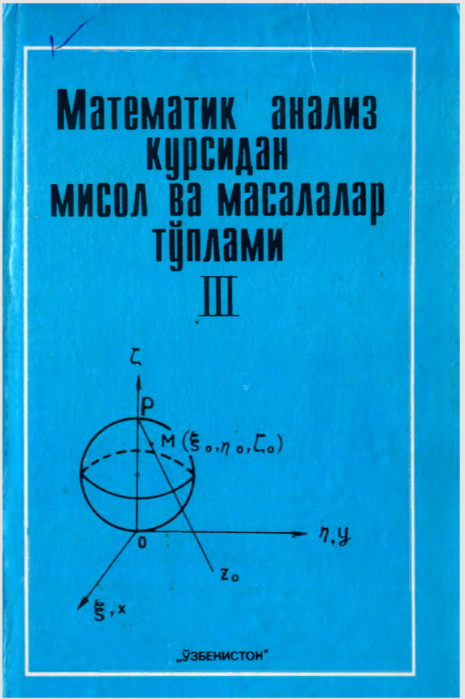
Математик анализ курсидан мисол ва масалалар тўплами III
А.Саъдуллаев,
Г.Худойберганов,
X.Мансуров,
А.Борисов,
Т.Туйчиев,

Математик анализ курсидан мисол ва масалалар тўплами II
А.Саъдуллаев,
Х.Мансуров,
А.Ворисов,
Г.Худойберганов,
Р.Ғуломов,



Sport o'yinlari bo'yicha musobaqalar o'tkazish va hakamlik qilish
D.K.Karimov,
N.Sh.Safarboyev,
SH.N.Tuxtapulatov,