
-
 Transport asosiy masalalari,
-
-
-
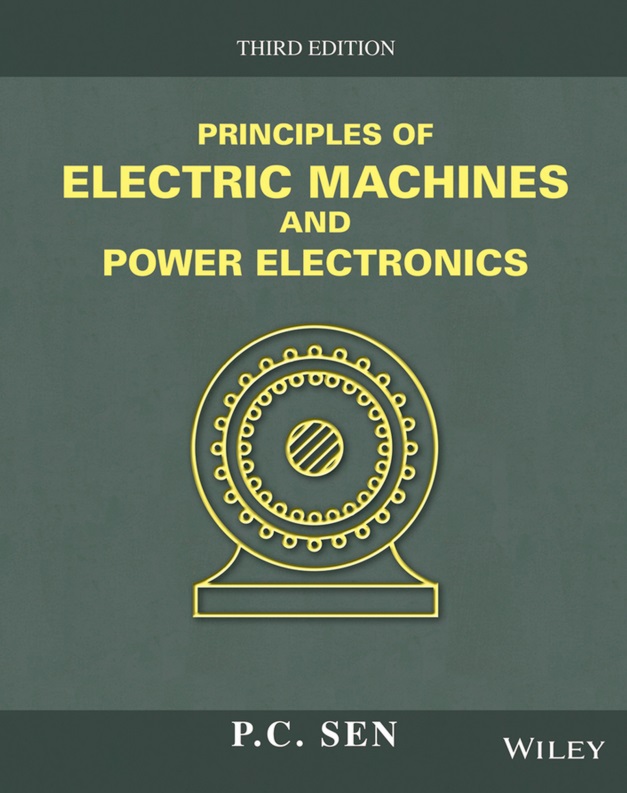
Electric Machines and Power Electronics, International Adaptation
Sen P. C. Principles,Elektronika, -
-
 Elektroenergetika. Elektrotexnika,
-
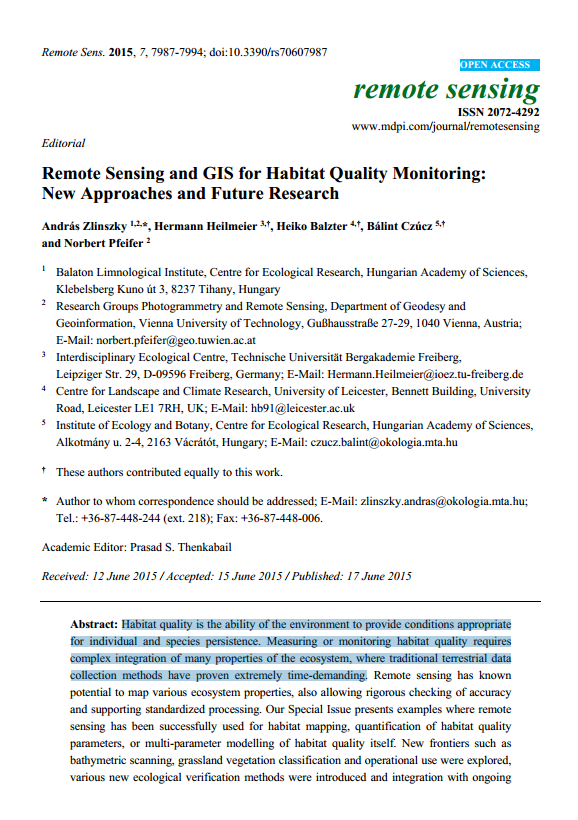
Remote Sensing and GIS for Habitat Quality Monitoring:
András Zlinszky, Hermann Heilmeier, Heiko Balzter,Tabiiy fanlar, -
-
-
 Elektroenergetika. Elektrotexnika,
-
-
Metrology and Measurement Uncertainty Concepts and Applications
Pedro Paulo, Novellino do Rosario, Alexandre Mendes,Elektroenergetika. Elektrotexnika, -
-
Handbook of Metrology and Applications
Dinesh K. Aswal, Sanjay Yadav, Toshiyuki Takatsuji, Prem Rachakonda, Harish Kumar,Elektroenergetika. Elektrotexnika, -
-
Primer on Engineering Standards Expanded textbook Edition
Owen R. Greulich, Maan H. Jawad,Elektroenergetika. Elektrotexnika, -
-
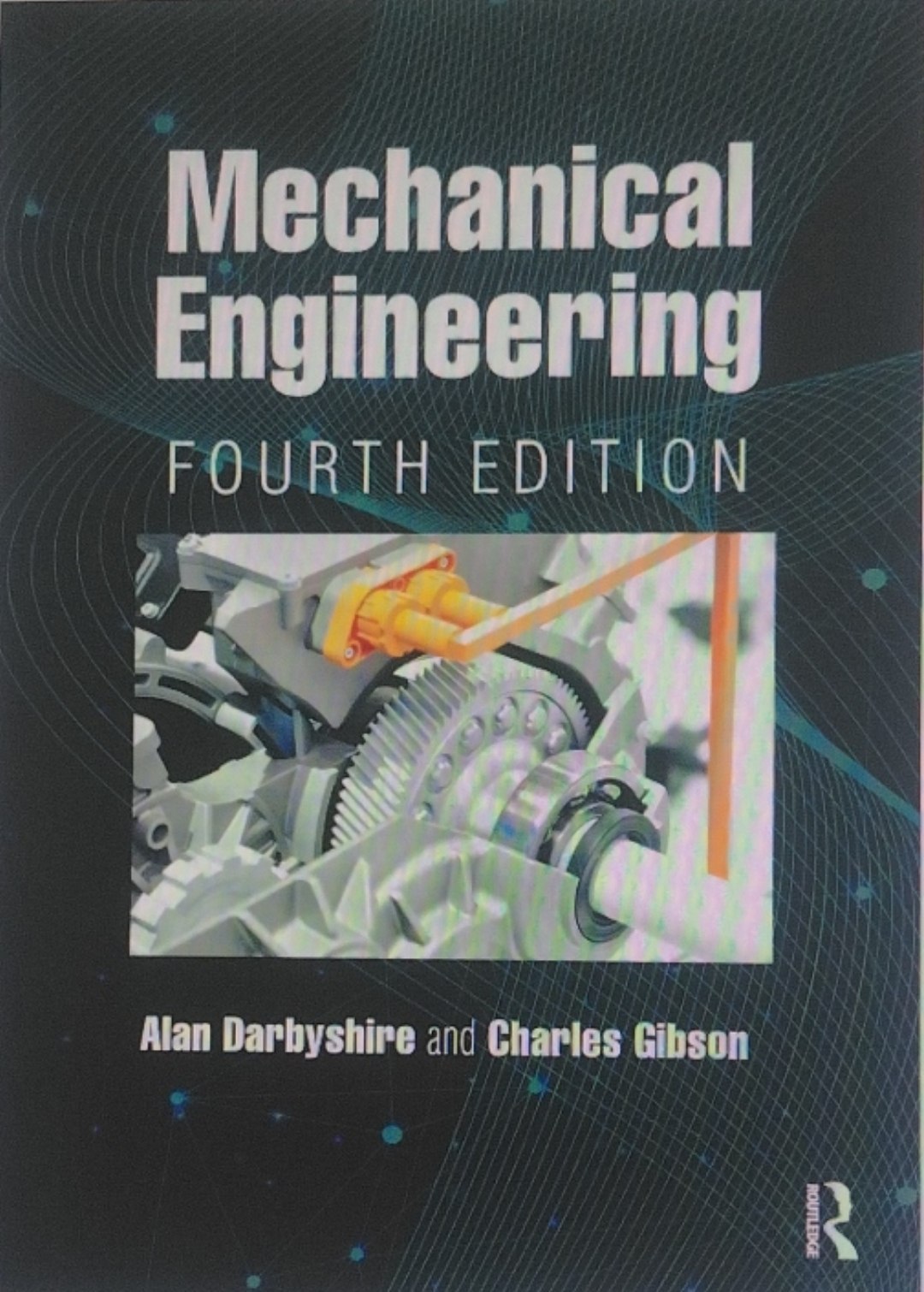
Mechanical Engineering
Alan Darbyshire, Charles Gibson.,Welcome to the challenging and exciting world of engineering! This book has been written to help get you through six specialist units of the revised BTEC National Certificate and Diploma awards in Engineering. It provides the essential underpinning knowledge required of a student who wishes to pursue a career in engineering. The book has been written by a highly experienced further education lecturer, who has over 30 years of practical teaching experience, with contributions from specialist lecturers in Engineering Design and Pneumatics and Hydraulics. Throughout the book I have adopted a common format and approach with numerous student activities, examples, end of chapter review questions and key points.
-

Machine elements in mechanical desingn
Robert.L.Mott,Unless otherwise indicated herein, any third-party trademarks, logos, or icons that may appear in this work are the property of their respective owners, and any references to third-party trademarks, logos, icons, or other trade dress are for demonstrative or descriptive purposes only. Such references are not intended to imply any sponsorship, endorsement, authorization, or promotion of Pearson’s products by the owners of such marks, or any relationship between the owner and Pearson Education, Inc., authors, licensees, or distributors.
-
The geography of transport systems
Jean-Paul Rodrigue,Mobility has always been a fundamental component of the economic and social life of societies. Contemporary economic processes have been accompanied by a significant increase in mobility and higher levels of accessibility. An historical perspective on the evolution of transport systems underlines the impacts of technological innovations and how improvements in transportation were interdependent with economic, social and spatial changes. The current transport systems are thus the outcome of a long historical evolution marked by periods of rapid changes where new transport technologies were adopted. Following the Industrial Revolution in the 19th century, transportation systems were mechanized with the development of steam engine technology, which permitted the setting of networks servicing regions. This process was further expanded in the 20th century with the setting of global air transport, container shipping and telecommunication networks. However, this requires the capacity to manage, support and expand the mobility of passengers and freight as well as their underlying information flows. Societies have become increasingly dependent on their transport systems to support a wide variety of activities ranging, among others, from commuting, tourism, supplying energy needs, to distributing parts and final goods. Developing transport systems has been a continuous challenge to satisfy mobility needs, to support economic development and to participate in the global economy.
-
Electric Machines and Power Electronics, International Adaptation
Sen P. C. Principles,Founded in 1807, John Wiley & Sons, Inc. has been a valued source of knowledge and understanding for more than 200 years, helping people around the world meet their needs and fulfill their aspirations. Our company is built on a foundation of principles that include responsibility to the communities we serve and where we live and work. In 2008, we launched a Corporate Citizenship Initiative, a global effort to address the environmental, social, economic, and ethical challenges we face in our business. Among the issues we are addressing are carbon impact, paper specifications and procurement, ethical conduct within our business and among our vendors, and community and charitable support. For more information, please visit our website: www.wiley.com/go/citizenship.
-
Power Electronics and Motor Drives Advances and Trends
Bimal K. Bose,I am presenting this novel book on advances and trends in power electronics and motor drives to the professional community with the expectation that it will be given the same wide and enthusiastic acceptance by practicing engineers, R&D professionals, university professors, and even graduate students that my other books in this area have. Unlike the traditional books available in the area of power electronics, this book has a unique presentation format that makes it convenient for group presentations that use Microsoft’s PowerPoint software. In fact, a disk is included that has a PowerPoint file on it that is ready for presentation with the core figures. Presentations can also be organized using just selected portions of the book.
-
The Electric Power Engineering Handbook
Leonard L. Grigsby,This book contains information obtained from authentic and highly regarded sources. Reasonable efforts have been made to publish reliable data and information, but the author and publisher cannot assume responsibility for the validity of all materials or the consequences of their use. The authors and publishers have attempted to trace the copyright holders of all material reproduced in this publication and apologize to copyright holders if permission to publish in this form has not been obtained. If any copyright material has not been acknowledged please write and let us know so we may rectify in any future reprint. Except as permitted under U.S. Copyright Law, no part of this book may be reprinted, reproduced, transmitted, or utilized in any form by any electronic, mechanical, or other means, now known or hereafter invented, including photocopying, microfilming, and recording, or in any information storage or retrieval system, without written permission from the publishers.
-
Remote Sensing and GIS for Habitat Quality Monitoring:
András Zlinszky, Hermann Heilmeier, Heiko Balzter,Habitat quality is the ability of the environment to provide conditions appropriate for individual and species persistence. Measuring or monitoring habitat quality requires complex integration of many properties of the ecosystem, where traditional terrestrial data collection methods have proven extremely time-demanding.
-
The Essential Guide to Doing Your Research Project (4th ed.). – SAGE
First published in 2004 as The Essential Guide to Doing Research. Reprinted 2009. The Essential Guide to Doing Your Research Projectfirst published 2010. Reprinted 2010, 2011 (three times) and 2012. Second edition published 2014. Reprinted 2014 (twice), 2015 and 2016. Third edition published 2017. Reprinted 2017 (four times), 2018 (three times), 2019 (four times) and 2020 (twice)
-

The Nature of Geographic Information
Nature of Geographic Information is an open geospatial textbook used at Pennsylvania State University and written by David DiBiase, with contributions by James L. Sloan II, Ryan Baxter, Wesley Stroh, Beth Fletcher King, and many students
-
Essentials of Geographic Information
Campbel J.l, Shin M,This book is licensed under a Creative Commons by-nc-sa 3.0 (http://creativecommons.org/licenses/by-nc-sa/ 3.0/) license. See the license for more details, but that basically means you can share this book as long as you credit the author (but see below), don't make money from it, and do make it available to everyone else under the same terms.
-
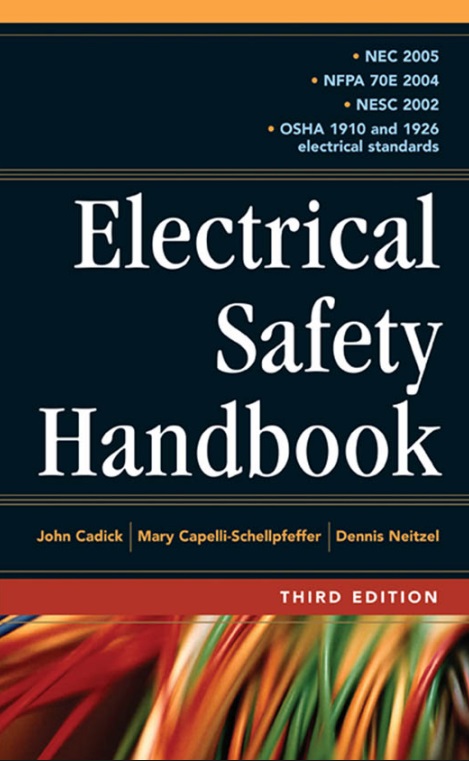
Electrical safety Hanbdook
John Cadisk, Dennis K.Neitzel,This is a copyrighted work and The McGraw-Hill Companies, Inc. (“McGraw-Hill”) and its licensors reserve all rights in and to the work. Use of this work is subject to these terms. Except as permitted under the Copyright Act of 1976 and the right to store and retrieve one copy of the work, you may not decompile, disassemble, reverse engineer, reproduce, modify, create derivative works based upon, transmit, distribute, disseminate, sell, publish or sublicense the work or any part of it without McGraw-Hill’s prior consent. You may use the work for your own noncommercial and personal use; any other use of the work is strictly prohibited. Your right to use the work may be terminated if you fail to comply with these terms.
-
The Art of Electronics
Horowitz P., Hill W,This volume is intended as an electronic circuit design text book and reference book; it begins at a level suitable for those with no previous exposure to electronics and carries the reader through to a reasonable degree of proficiency in electronic circuit design. We have used a straightforward approach to the essential ideas of circuit design, coupled with an in-depth selection of topics. We have attempted to combine the pragmatic approach of the practicing physicist with the quantitative approach of the engineer, who wants a thoroughly evaluated circuit design.
-
Metrology and Measurement Uncertainty Concepts and Applications
Pedro Paulo, Novellino do Rosario, Alexandre Mendes,Metrology is strategic for a nation’s development and fundamental for organiza-tions’ technological and commercial growth. The specialist professional involved daily in measurement activities must know the mathematical foundations, statistical tools, techniques, practices, and operating procedures. The International Vocabulary of Metrology—Basic and General Concepts and Associated Terms (VIM) [2] defines Metrology as the “science of measurements and its applications.” The VIM complements this definition with a note: “Metrology includes all theoretical and practical aspects of measurements, whatever the mea-surement uncertainty and field of application.” Analyzing the definition, we need theoretical knowledge about the concepts and measurement techniques, the perception of the magnitudes of influence, and obtain consistent, practical results. Since internal and external factors influence measure-ment results for the measurement process, we need to estimate the measurement uncertainty associated with usage requirements.
-
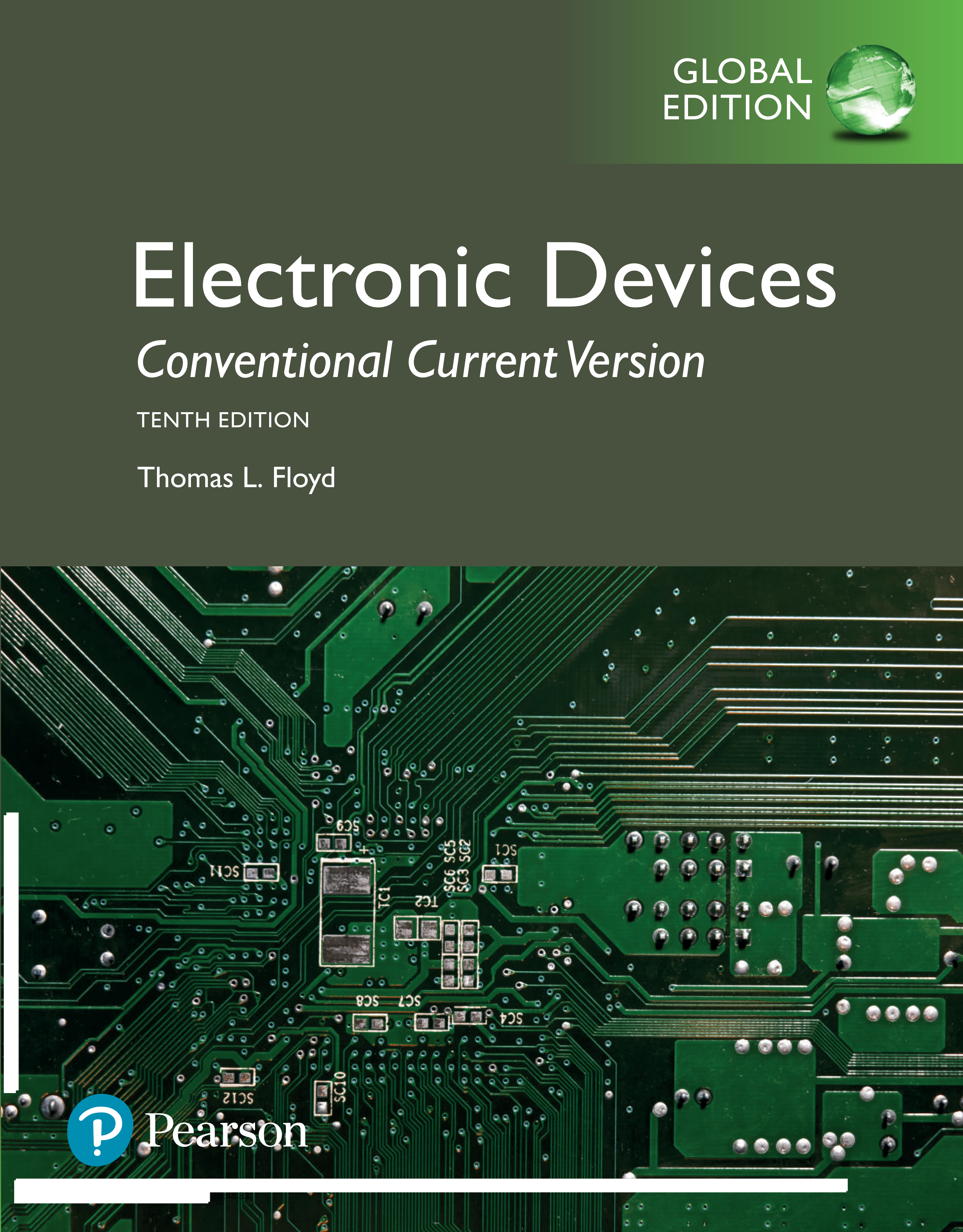
Electronic Devices
Thomas L. Floyd,This tenth edition of Electronic Devices reflects changes recommended by users and reviewers. As in the previous edition, Chapters 1 through 11 are essentially devoted to dis crete devices and circuits. Chapters 12 through 17 primarily cover linear integrated circuits. Multisim® circuit files in version 14 and LT Spice circuit files are available at the website: www.pearsonglobaleditions.com/Floyd.
-
Handbook of Metrology and Applications
Dinesh K. Aswal, Sanjay Yadav, Toshiyuki Takatsuji, Prem Rachakonda, Harish Kumar,All rights are reserved by the Publisher, whether the whole or part of the material is concerned, specifically the rights of translation, reprinting, reuse of illustrations, recitation, broadcasting, reproduction on microfilms or in any other physical way, and transmission or information storage and retrieval, electronic adaptation, computer software, or by similar or dissimilar methodology now known or hereafter developed. The use of general descriptive names, registered names, trademarks, service marks, etc. in this publication does not imply, even in the absence of a specific statement, that such names are exempt from the relevant protective laws and regulations and therefore free for general use. The publisher, the authors, and the editors are safe to assume that the advice and information in this book are believed to be true and accurate at the date of publication. Neither the publisher nor the authors or the editors give a warranty, expressed or implied, with respect to the material contained herein or for any errors or omissions that may have been made. The publisher remains neutral with regard to jurisdictional claims in published maps and institutional affiliations.
-
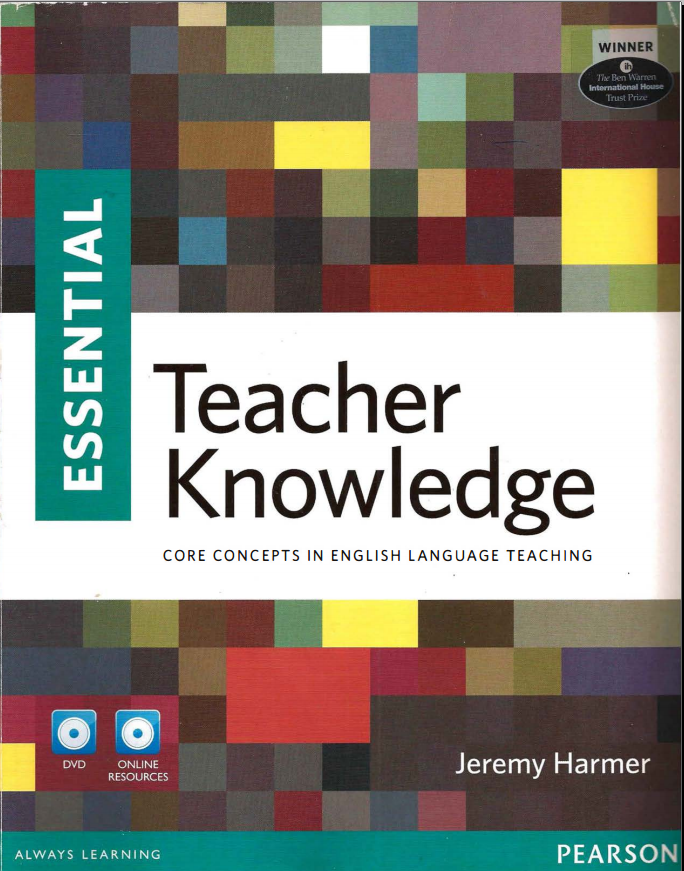
Essential Teacher Knowledge
Because Essential Teacher Knowledge is for an yone who wants to know about language teaching, it has not been written just for people who are taking the various elements of the TKT test. However, if you want to take the TKT, this book will help you to prepare for success in the te t - whichever paper or module you are interested in.
-
Textbook of Agricultural Statistics.
H.K.Jain,«Textbook of Agricultural Statistics» (2022) авторов Х. К. Джайна, Киран Гаур и Маноджа Кумара Шармы представляет собой учебное пособие по применению статистических методов в сельскохозяйственных исследованиях. Книга охватывает широкий спектр тем: от базовых мер центральной тенденции и вероятностей до планирования экспериментов, дисперсионного анализа и проверки гипотез. Издание ориентировано на студентов аграрных специальностей и исследователей в области растениеводства и агрономии.
-
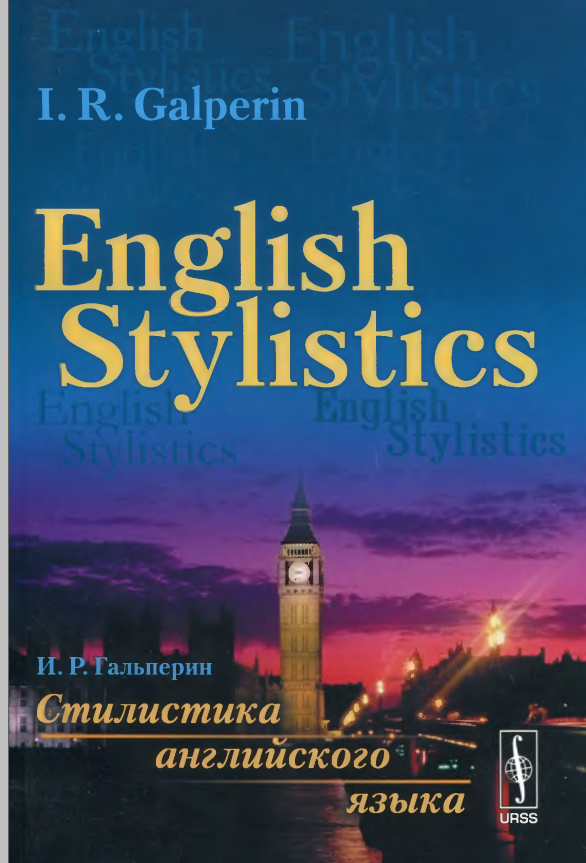
English Stylistics
Stylistics , sometimes called I i n g и o-s t у I i s I i с s, Is a ranch of general linguistics. It has now been more or less definitely utlined. It deals mainly with two interdependent tasks: a) the nvestigation of the inventory of special language media which by their ntological features secure the desirable effect of the utterance and b) cer in types of texts (discourse) which due to the choice and arrangement f language means are distinguished by the pragmatic aspect of the ommunication. The two objectives of stylistics are clearly discernible s two separate fields of investigation. The inventory of special language media can be analysed and their ontological features revealed if presented n a system in which the co-relation between the media becomes evident.
-
Primer on Engineering Standards Expanded textbook Edition
Owen R. Greulich, Maan H. Jawad,While the publisher and authors have used their best efforts in preparing this work, they make no representations or warranties with respect to the accuracy or completeness of the contents of this work and specifically disclaim all warranties, including without limitation any implied warranties of merchantability or fitness for a particular purpose. No warranty may be created or extended by sales representatives, written sales materials or promotional statements for this work. The fact that an organization, website, or product is referred to in this work as a citation and/or potential source of further information does not mean that the publisher and authors endorse the information or services the organization, website, or product may provide or recommendations it may make. This work is sold with the understanding that the publisher is not engaged in rendering professional services. The advice and strategies contained herein may not be suitable for your situation. You should consult with a specialist where appropriate. Further, readers should be aware that websites listed in this work may have changed or disappeared between when this work was written and when it is read. Neither the publisher nor authors shall be liable for any loss of profit or any other commercial damages, including but not limited to special, incidental, consequential, or other damages.
-
Statistical methods for the social sciences
Alan Agresti,Educational research stands at a crossroads that is both methodological and philosophical. The field must decide whether to remain anchored in a toolkit built for small samples and linear assumptions or to integrate approaches suited to high dimensional, complex, and nonlinear data. This commentary argues for methodological bilingualism that combines the strengths of established quantitative, qualitative, and mixed traditions with advances in machine learning and modern causal inference. The commentary reviews literature on learning analytics and AI in education, highlights developments in causal machine learning and model interpretability, and examines the political economy of data that shapes what counts as robust evidence. The commentary ultimately asks whether educational researchers will lead the integration of AI methods in ways that uphold justice and rigor, or whether they will cede authority to corporate actors who define the future of learning on their own terms.