-
-
 Tilshunoslik,
 -
-
-
-
 Tarixiy madaniyatshunoslik. Madaniyatshunoslik ta’limining tarixi,
 -
-
 Iqtisodiyotni boshqarish. Menejment. Marketing. Iqtisodiy statistika. Hisob. Milliy hisob tizimi. Iqtisodiy tahlil,
 -
-
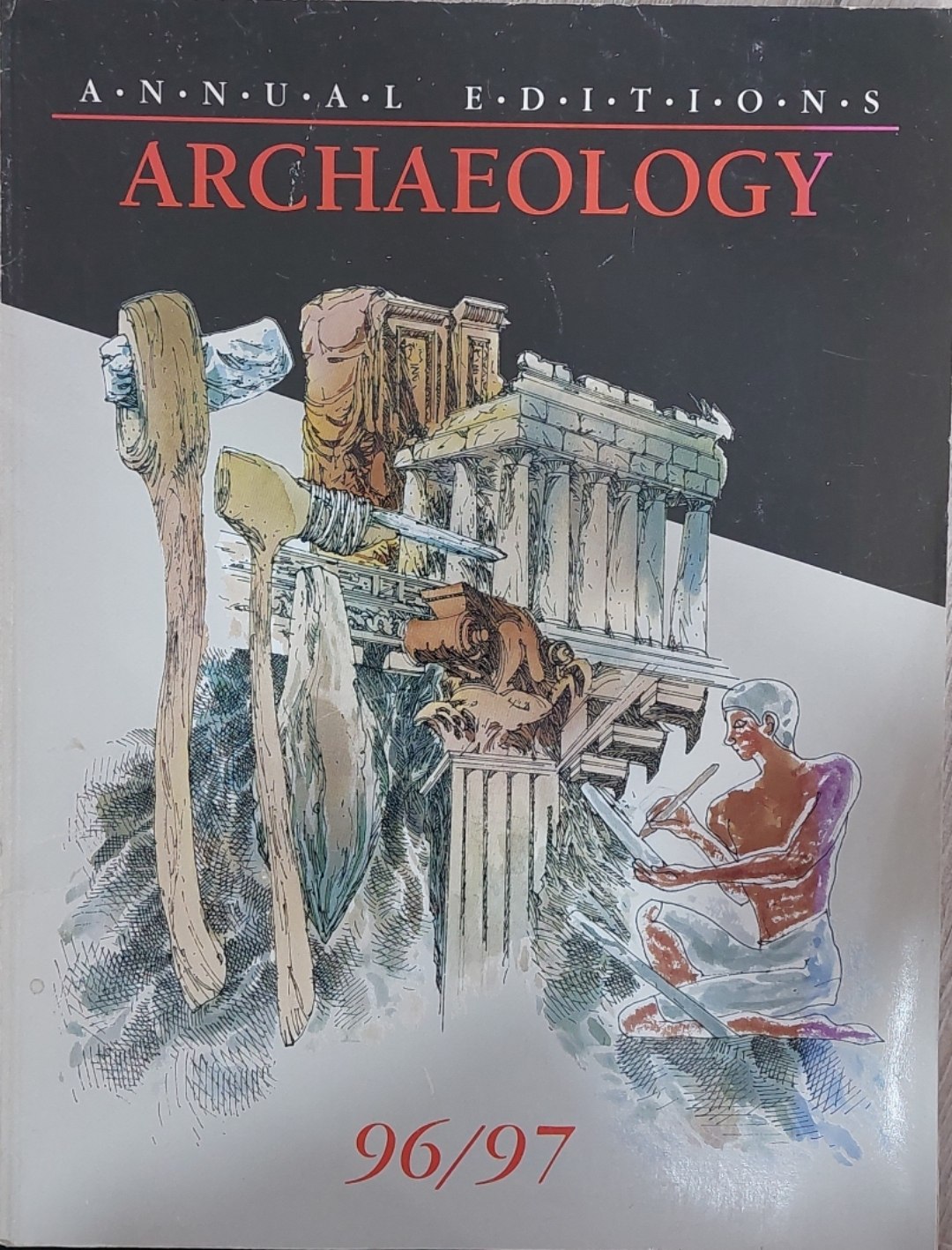
Archaeology 96/97
L.L.Haste.,Archaeology 96/97 is a curated annual publication that compiles selected articles and research findings in the field of Archaeology. Edited by Linda L. Hasten, the volume presents a wide range of topics including ancient civilizations, excavation reports, and recent archaeological discoveries. It is intended as an educational resource for students and readers interested in historical and cultural heritage studies.
-
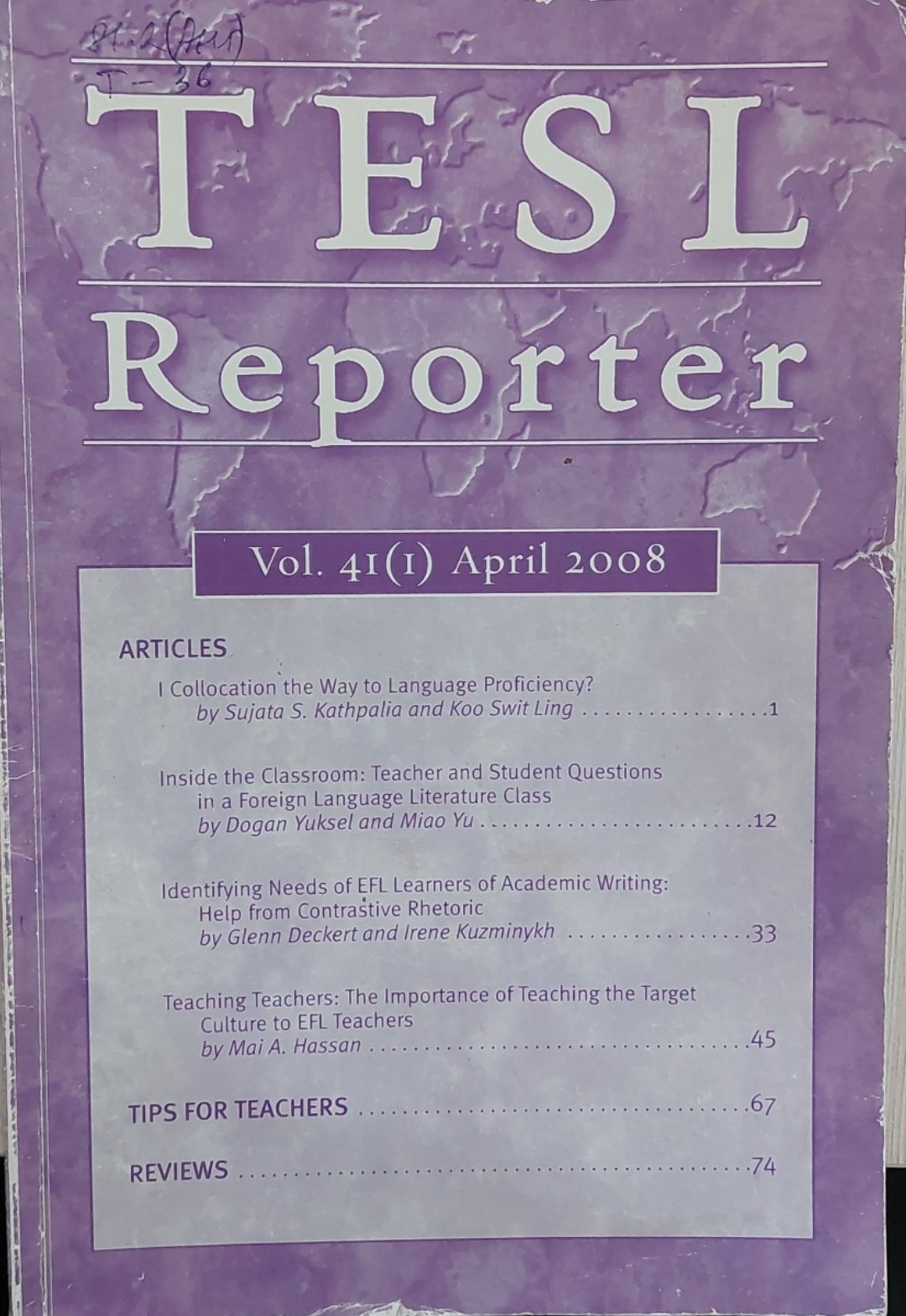
TESL Reporter" (Teaching English as a Second Language Reporter)
S.S.Kathpalia, K.S.Ling,his issue of the TESL Reporter provides a collection of peer-reviewed articles, practical pedagogical tips, and book reviews tailored for professionals in the field of Teaching English as a Second or Foreign Language (ESL/EFL).
-

Objective: Justice
Jan Martenson,Objective: Justice is a publication issued by the United Nations Department of Public Information that explores key issues related to international justice, human rights, and the rule of law. This issue presents articles and analyses by various contributors, focusing on global efforts to promote fairness, accountability, and legal protection for individuals and societies. It highlights the role of international institutions and legal frameworks in addressing injustice and strengthening peace and cooperation worldwide.
-
Uzbek mathematical journal
Sh.A.Ayupov,This work is subject to copyright. All rights are reserved, whether the whole or part of the material is con- cerned, specifically the rights of translation, reprinting, reuse of illustrations, recitation, broadcasting, re- production on microfilm or in other ways, and storage in data banks.
-
Ettective Word 7 0
Fritz J.Erickson,The aim of this book is to arouse curiosity about English words and about the nature of language in general, especially among students who are not intending to specialise in linguistics. The book covers a wide range of topics, including the structure of words, the meaning of words, how their spelling relates to pronunciation, how new words are manufactured or imported from other languages, and how the meaning of words changes with the passage of time. It also investigates how the mind deals with words by highlighting the amazing intellectual feat performed routinely when the right word is retrieved from the mental dictionary during conversation. Words of all sorts are examined—from great poetry, nonsense verse and journalism to advertising. It is demonstrated that in their very different ways they are all worthy of serious study.
-
Kyoto university
Hirosh Marsumoto,Kyoto University states its mission to sustain and develop its historical commitment to academic freedom and to pursue harmonious coexistence within the human and ecological community on this planet.
-

Meiji University
Muallifsiz,The Graduate School of Public Policy offers courses in three concentration areas: Public Policy, International Development Policy, and Community Planning and Management. In each of these areas, major topics of immediate relevance to contemporary world issues - including decentralization, “good enough governance,” citizen participation, sustainable development, economic development cooperation, regional development, and poverty reduction are discussed in a wide range of courses offered by our faculty members
-
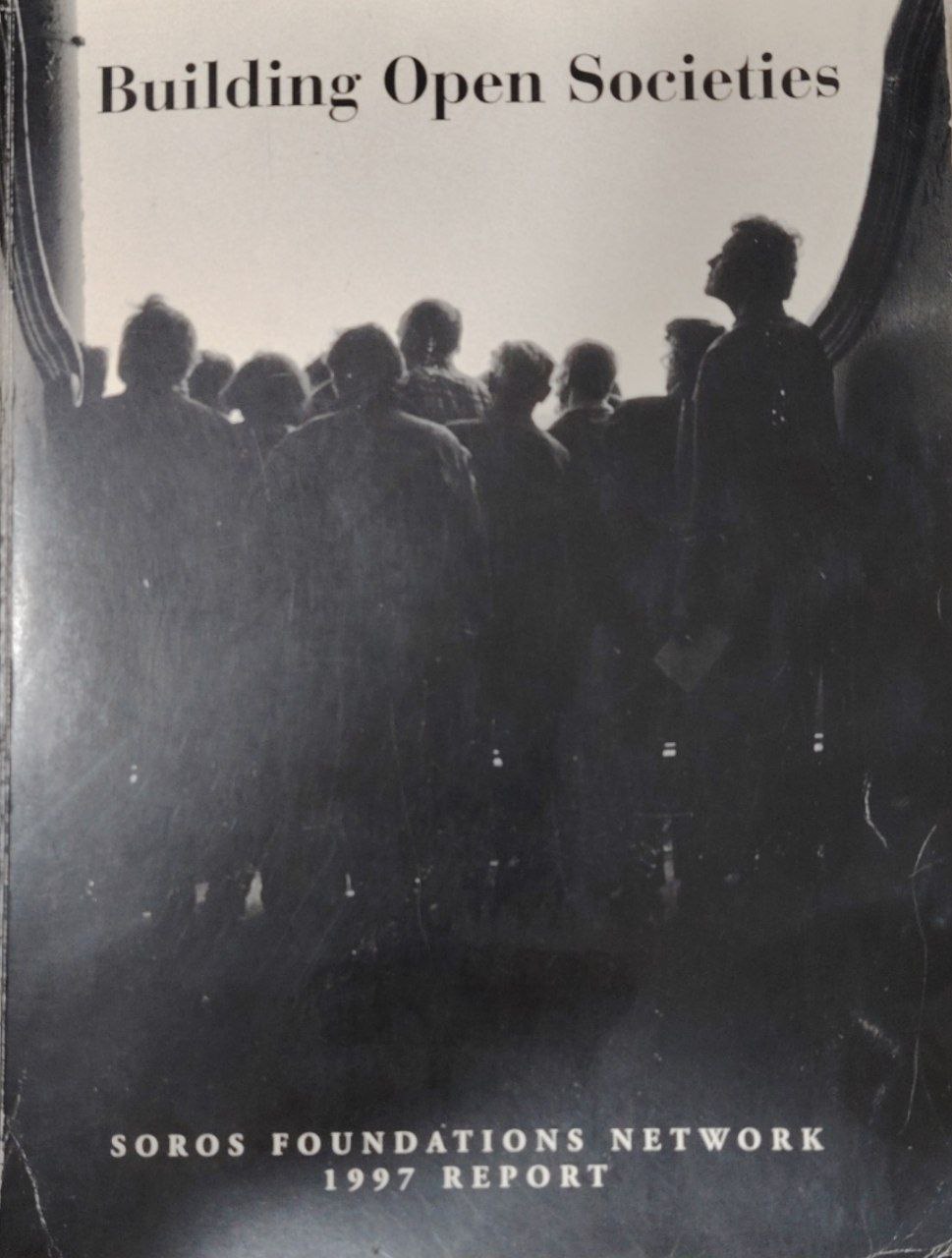
Building Open Societies.
Journal,This report presents basic information about the activities and expendi-tures of the organizations in the Soros foundations network. Each entity in the network is treated in a separate entry. Although this causes some repetition in the discussion of issues and priorities, it is the best way to emphasize the independence of the network's major components and to enumerate the many parts of an organization that has grown within a short time into a significant force in philanthropy around the world. The terms "national foundation" and "network program" appear through-
-
Building Open Societies.
Journal,The terms "national foundation" and "regional program" appear through-out the report. National foundations are autonomous institutions estab-lished by Mr. Soros in particular countries to initiate and support projects in those countries. There are 24 national foundations in the Soros founda-tions network. They are located primarily in the previously communist countries of Central and Eastern Europe and the former Soviet Union, but also in South Africa and Haiti. Each national foundation has its own board of directors and staff who set the priorities for the foundation's work.