
-
 Mikrobiologiya,
 -
 Mikrobiologiya,
 -
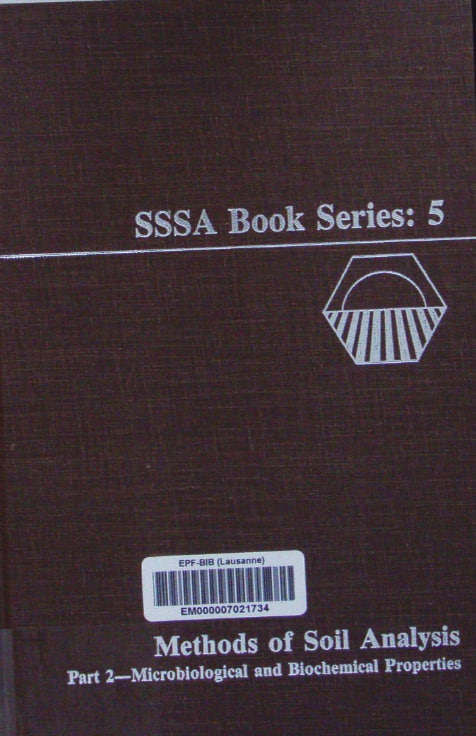
Methods of Soil Analysis Part 2 Microbiological and Biochemical Properties
R.W.Weaver, Scott Angle, Peter Bottomley, Devid Bezdicek, Scott Smith, Ali Tabatabai, Art Wollum,Mikrobiologiya,
-
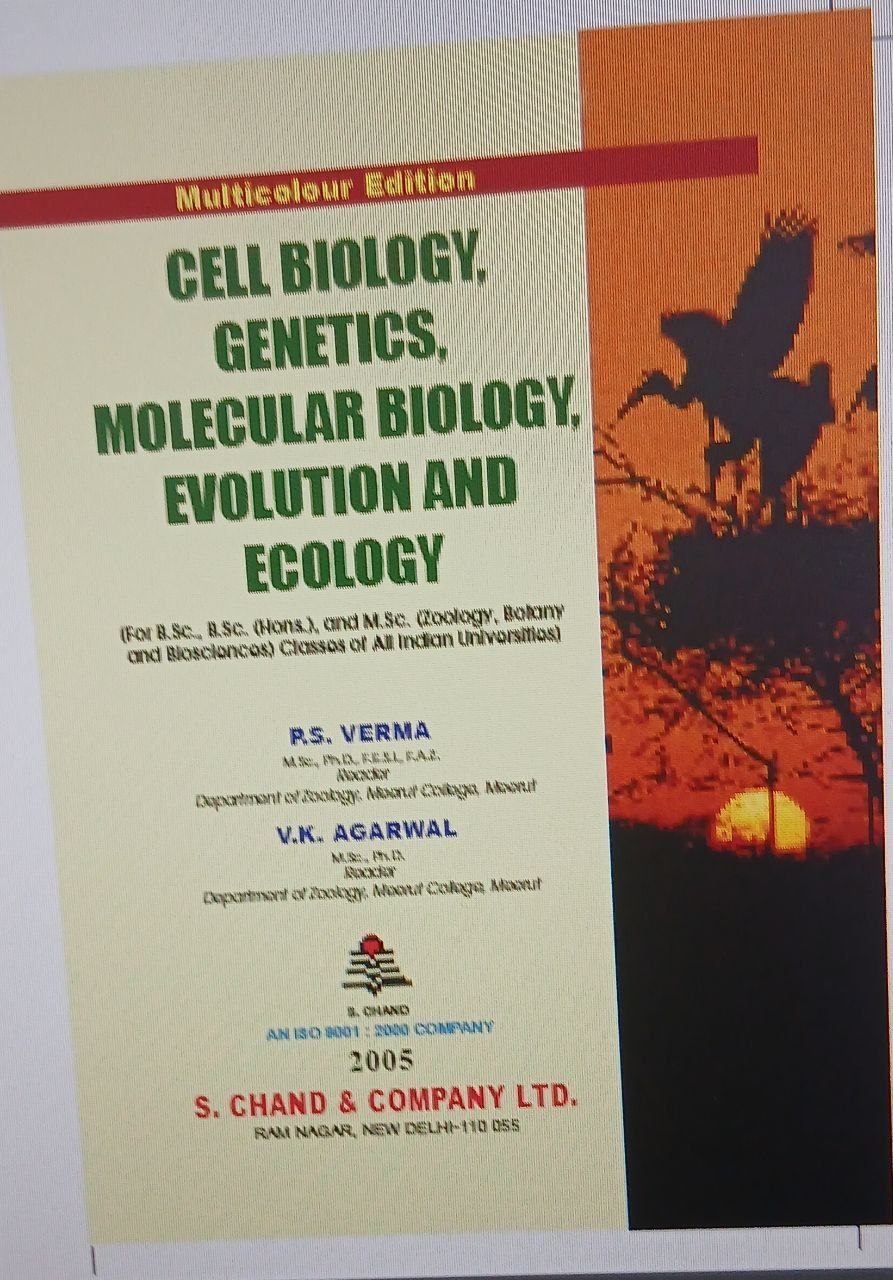
Cell biology, genetics, molecular biology, evolurion and ecology
P.S. Verma,The basic structural and functional unit of cellular organization is the cell. Within a selective and relative semi permeable membrane, it contains a complete set of different kinds of units necessary to permit its own growth and reproduction from simple nutrients. All organisms, more complex than viruses, consist of cells, yet they consist of a strand of nucleic acid, either DNA or RNA, surrounded by a protective protein coat (the capsid). The word cell is derived from the Latin word cellula, which means small compartment. Hooke published his findings in his famous work, Micrographia. Actually, he only observed cell walls because cork cells are dead and without cytoplasmic contents. A.G. Loewy and P. Siekevitz have defined cell as ―A unit of biological activity delimited by a semi permeable membrane and capable of self reproduction in a medium free of other living organisms‖. John Paul has defined the cell as ―The simplest integrated organization in living systems, capable of independent survival‖.
-
Cell Biology,genetics , molekular biology,evolution and ecology
P.S. Verma,Cell Biology Cell biology is the branch of biology that studies the structure and function of cells, which are the basic units of life. It focuses on cell organelles, cell division, metabolism, and communication between cells. Genetics Genetics is the science that studies heredity and variation in living organisms. It examines how traits are passed from parents to offspring through genes and how genetic information is inherited and expressed. Molecular Biology Molecular biology studies biological processes at the molecular level, especially the structure and function of molecules such as DNA, RNA, and proteins that control genetic information and cellular activities. Evolution Evolution is the study of how living organisms change over time through processes such as natural selection, mutation, and genetic variation. The concept was strongly developed by Charles Darwin. Ecology Ecology is the branch of biology that studies the relationships between organisms and their environment, including interactions within populations, communities, and ecosystems.
-
Methods of Soil Analysis Part 2 Microbiological and Biochemical Properties
R.W.Weaver, Scott Angle, Peter Bottomley, Devid Bezdicek, Scott Smith, Ali Tabatabai, Art Wollum,This second part of the Methods series is a key resource for analytical methods in soil science and will be useful to all biogeochemistry professionals, especially those interested in microbiology or bioremediation.