
-
Electrodynamics of Continuous Media
L.D.Landau, E.M.Lifshitz,The present volume in the Course of Theoretical Physics deals with the theory of electromagnetic fields in matter and with the theory of the macroscopic electric and magnetic properties of matter. These theories include a very wide range of topics, as may be seen from the Contents. In writing this book we have experienced considerable difficulties, partly because of the need to make a selection from the extensive existing material, and partly because the customary exposition of many topics to be included does not possess the necessary physical clarity, and sometimes is actually wrong. We realise that our own treatment still has many defects, which we hope to correct in future editions. We are grateful to Professor V. L. GINZBURG, who read the book in manuscript and made some useful comments. I. E. DZYALOSHINSKII and L. P. PITAEVSKI gave great help in reading the proofs of the Russian edition. Thanks are due also to Dr SYKES and Dr BELL, who not only carried out excellently the arduous task of translating the book, but also made some useful comments concerning its contents.
-
The Classical Theory of Fields
L.D.Landau, E.ML.Lifshitz,This book is devoted to the presentation of the theory of the electromagnetic and gravitational fields. In accordance with the general plan of our "Course of Theoretical Physics", we exclude from this volume problems of the electrodynamics of continuous media, and restrict the exposition to "microscopic electrodynamics", the electrodynamics of the vacuum and of point charges. A complete, logically connected theory of the electromagnetic field includes the special theory of relativity, so the latter has been taken as the basis of the presentation. As the starting-point of the derivation of the fundamental equations we take the variational principles, which make possible the achievement of maximum generality, unity and simplicity of the presentation. The last three chapters are devoted to the presentation of the theory of gravitational fields, i.e. the general theory of relativity. The reader is not assumed to have any previous knowledge of tensor analysis, which is presented in parallel with the development of the theory. The present edition has been extensively revised from the first English edition, which appeared in 1951. We express our sincere gratitude to L. P. Gor'kov, I. E. Dzyaloshinskii and L. P. Pitaevskii for their assistance in checking formulas.
-
Nonlinear Ptics Third edition
Robert W,It has been a great pleasure for me to have prepared the latest edition of my book on nonlinear optics. My intrigue in the subject matter of this book is as strong as it was when the first edition was published in 1992
-
Statistical Mechanics
R. K. Pathria,No part of this publication may be reproduced or transmitted in any formor by any means, electronic or mechanical, including photocopying, recording, or any information storage and retrieval system, without permission in writing from the publisher. Details on how to seek permission, further information about the Publisher’s permissions policies and our arrangements with organizations such as the Copyright Clearance Center and the Copyright Licensing Agency, can be found at our website: www.elsevier.com/permissions. This book and the individual contributions contained in it are protected under copyright by the Publisher (other than as may be noted herein).
-
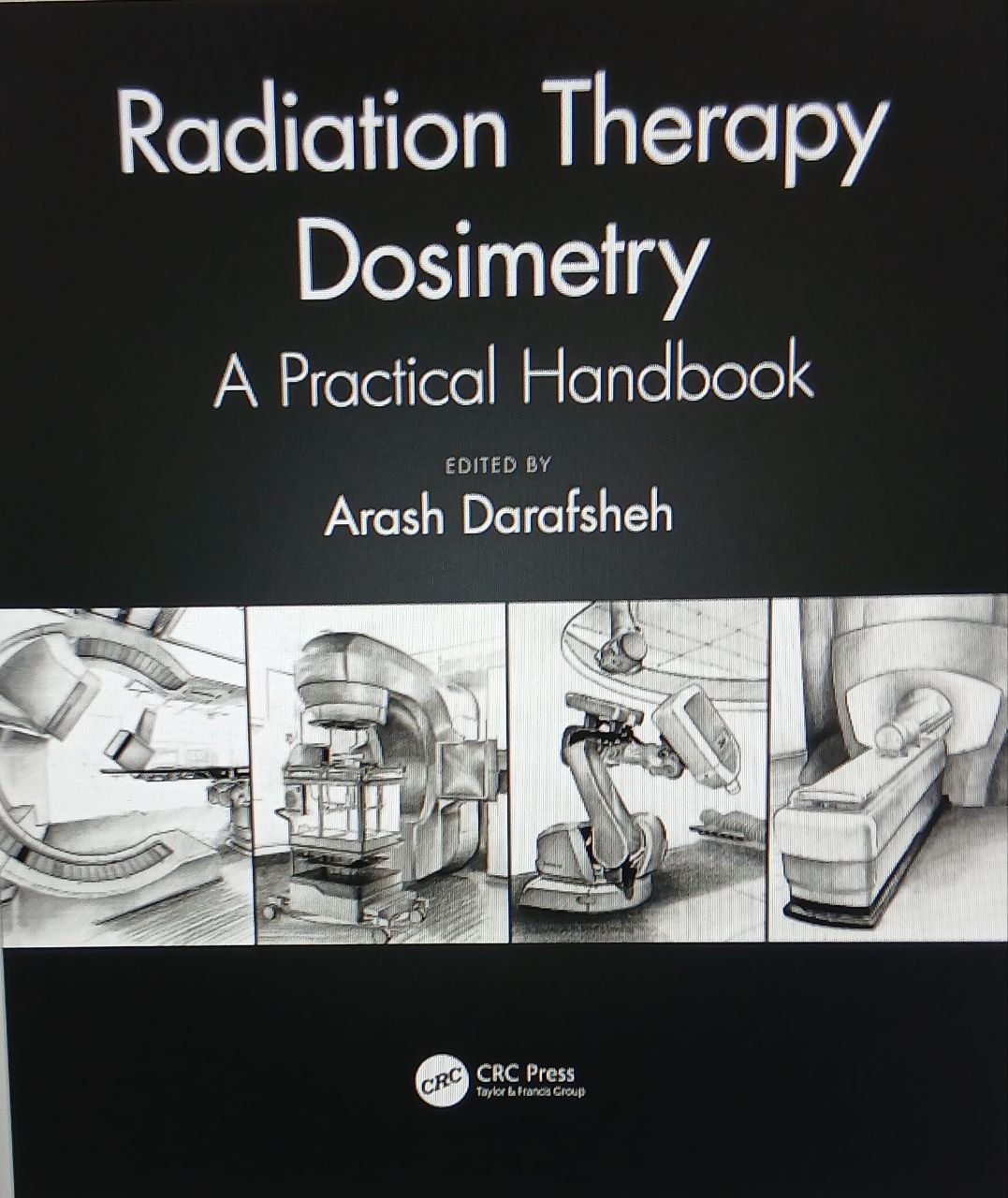
Radiation Therapy Dosimetry
Arash Darafsheh,Reasonable efforts have been made to publish reliable data and information, but the author and publisher cannot assume responsibility for the validity of all materials or the consequences of their use. The authors and publishers have attempted to trace the copyright holders of all material reproduced in this publication and apologize to copyright holders if permission to publish in this form has not been obtained. If any copyright material has not been acknowledged please write and let us know so we may rectify in any future reprint. Except as permitted under U.S. Copyright Law, no part of this book may be reprinted, reproduced, transmitted, or utilized in any form by any electronic, mechanical, or other means, now known or hereafter invented, including photocopying, microfilming, and recording, or in any information storage or retrieval system, without written permission from the publishers.
-
Handbook of Nuclear Medicine and Molecular Imaging for Physicists
Michael Ljungberg,This book contains information obtained from authentic and highly regarded sources. While all reasonable efforts have been made to publish reliable data and information, neither the author[s] nor the publisher can accept any legal responsibility or liability for any errors or omissions that may be made. The publishers wish to make clear that any views or opinions expressed in this book by individual editors, authors or contributors are personal to them and do not necessarily reflct the views/opinions of the publishers. The information or guidance contained in this book is intended for use by medical, scientifi or health-care professionals and is provided strictly as a supplement to the medical or other professional’s own judgement, their knowledge of the patient’s medical history, relevant manufacturer’s instructions and the appropriate best practice guidelines. Because of the rapid advances in medical science, any information or advice on dosages, procedures or diagnoses should be independently verifid. The reader is strongly urged to consult the relevant national drug formulary and the drug companies’ and device or material manufacturers’ printed instructions and their websites, before administering or utilizing any of the drugs, devices or materials mentioned in this book. This book does not indicate whether a particular treatment is appropriate or suitable for a particular individual. Ultimately it is the sole responsibility of the medical professional to make his or her own professional judgements, so as to advise and treat patients appropriately. The authors and publishers have also attempted to trace the copyright holders of all material reproduced in this publication and apologize to copyright holders if permission to publish in this form has not been obtained. If any copyright material has not been acknowledged please write and let us know so we may rectify in any future reprint.
-

Physics for Scientists and Engineers with Modern Physics
Raymond A. Serway,The cover shows a view inside the new railway departures concourse opened in March 2012 at the Kings Cross Station in London. The wall of the older structure (completed in 1852) is visible at the left. The sweeping shell-like roof is claimed by the architect to be the largest single-span station structure in Europe. Many principles of physics are required to design and construct such an open semicircular roof with a radius of 74 meters and containing over 2 000 triangular panels. Other principles of physics are necessary to develop the lighting design, optimize the acoustics, and integrate the new structure with existing infrastructure, historic buildings, and railway platforms
-
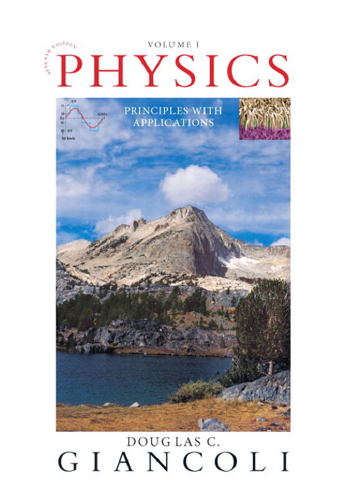
PHYSICS PRINCIPLES WITH APPLICATIONS
DOUGLAS C.,The principal aim of all sciences, including physics, is generally considered to be the search for order in our observations of the world around us. Many people think that science is a mechanical process of collecting facts and devising theories. But it is not so simple
-
Radioelectronics
K.A. Semenova,Radioelectronics is a branch of electronics that deals with the transmission, reception, and processing of information using radio waves and electromagnetic signals. It combines principles of radio engineering and electronic circuit design to develop systems such as radio transmitters, receivers, antennas, radar systems, and wireless communication devices.
- Darslik
- O‘quv qo‘llanma
- Siyosiy adabiyot
- Ilmiy kitoblar
- Monografiya
- To‘plamlar
- Badiiy kitoblar
- Lug‘at
- Ma'lumotnoma
- Broshura
- Metodik qo‘llanma
- Dissertatsiya
- Nomzodlik dissertatsiyasi
- Gazeta
- Jurnal
- Qoidalar
- Va boshqa
- Prezident asarlari
- To‘plam
- Kitob-albom
- Uslubiy ko'rsatma
- Uslubiy tavsiyanoma
- Ma'lumotlar to'plami (banki)
- Ma'ruzalar kursi
- Ma'ruzalar to'plami
- Mashqlar (masalalr) to'plami
- Daydjest
- Qo'llanma
- Uslubiy qo'llanma
- Ensiklopediyalar
- Amaliy qo'llanma
- Mexanika
- Inson va atrof muhit. Inson ekologiyasi tabiatni muhofaza qilish
- Tabiatdan unumli foydalanish. Orol muammosi
- Atrof muhitning anomaliyasi. Ufologiya
- Matematika
- Fizika
- Astronomiya
- Umumiy va anorganik kimyo
- Organik kimyo
- Analitik kimyo
- Fizikaviy kimyo. Kimyoviy fizika
- Kolloid kimyo (fizika - kimyo dispers sistemalar)
- Yuksak molekulyar birikmalar (polimerlar) kimyosi
- Yer kurrasi
- Geodezik fanlar
- Kartografiya
- Geofizik fanlar
- Geologik fanlar
- Georafik fanlar
- Umumiy biologiya
- Paleontologiya
- Virusologiya
- Mikrobiologiya
- Botanika
- Zoologiya
- Odam biologiyasi. Antropologiya
- Umumtexnikaviy fanlar
- Loyihalash
- Xom ashyo. Materiallar. Materialshunoslik
- Konstruksiyalar
- Umumiy texnologiya. Sanoat ishlab chiqarishning asoslari
- Mashina va sanoat uskunalarini montaj qilish, ishlatish, ta’mirlash
- Mashinalar va sanoat uskunalarini rekonstruksiyalash va modernizatsiyalash
- Elektroenergetika. Elektrotexnika
- Teploenergetika.Teplotexnika
- Yadroviy energetika (atom energetika)
- Gidroenergetika
- Energetikaning boshqa tarmoqlari
- Siqilgan va siyraklashgan gazlar texnikasi
- Kibernetika
- Umumiy radiotexnika
- Elektronika
- Kvant elektrotexnikasi
- Elektroakustika
- Elektr aloqasi
- Televidenie
- Radiolokatsiya
- Avtomatika va telemexanika
- Hisoblash texnikasi
- Orgtexnika
- Radioelektronikaning boshqa tarmoqlari
- Konchilik ishining umumiy masalalari
- Qattiq foydali qazilma konlarni qazishning ayrim turlari
- Foydali qazilma ayrim turlari konlarini qazish
- Foydali qazilmalarni boyitish
- Metallarning umumiy texnologiyasi
- Metallshunoslik
- Metallurgiya
- Umumiy mashinasozlik. Mashinasozlik
- Mashinasozlikning umumiy texnologiyasi. Metallarni ishlash
- Ayrim mashinasozlik va metall ishlash jarayonlari hamda ishlab chiqarishlar
- Tarmoq ahamiyatiga molik uskunalar ishlab chiqarish texnologiyasi
- Tarmoq ahamiyatiga molik uskunalar ishlab chiqarish texnologiyasi
- Asbobsozlik (Priborsizlik)
- Kimyoviy texnologiyaning asosiy jarayonlari va apparatlari
- Anorganik moddalar texnologiyasi. Asosiy kimyoviy mahsulotlar texnologiyasi
- Organik moddalar texnologiyasi
- Boshqa kimyoviy ishlab chiqarishlar
- Oziq-ovqat ishlab chiqarishning asosiy jarayonlari va apparatlari
- Un tortish va yorma ishlab chiqarishi
- Novvoyxona (non pishirish)
- Qand ishlab chiqarishi
- Kraxmal-patoka ishlab chiqarishi
- Konditer ishlab chiqarish
- Achitqi ishlab chiqarish
- Spirtsiz ichimliklar ishlab chiqarish
- Meva va sabzavotni qayta ishlash
- Go‘sht va go‘sht mahsulotini ishlab chiqarish
- Parranda mahsulotlarini ishlab chiqarish
- Baliq va baliq mahsulotlarini ishlab chiqarish
- Sut va sut mahsulotlarini ishlab chiqarish
- Konserva ishlab chiqarish
- Oziq-ovqat konsentratlari ishlab chiqarish
- Mazali mahsulotlar ishlab chiqarish
- Umumiy ovqatlanish. Pazandachilik
- Yog‘och texnologiyasi
- Yengil sanoat ishlab chiqarishi
- Poligrafiya ishlab chiqarishi
- Fotokino texnika
- Qurilishning nazariy asoslari
- Qurilishda qidirish va loyihalash
- Binokorlik materiallari va buyumlari
- Binolarning qismlari (arxitektura konstruksiyalari)
- Qurilish konstruksiyalari
- Qurilish ishlab chiqarishning texnologiyasi
- Qurilishning ayrim turlari
- Qurilishning ayrim turlari
- Transport asosiy masalalari
- Temir yo‘l transporti
- Avtomobil yo‘li transporti
- Suv transporti
- Havo transporti
- Planetalararo aloqalar (parvozlar)
- Truboprovod transporti
- Shahar transporti
- Sanoat transporti
- Qishloq xo‘jaligi va o‘rmon xo‘jaligi
- Qishloq xo‘jalik biologiyasi
- Agrofizika
- Agrometeorologiya va agroklimatologiya
- Tuproqshunoslik
- Agrokimyo
- Qishloq xo‘jalik mikrobiologiyasi
- Qishloq xo‘jalik melioratsiyasi
- Qishloq xo‘jaligini mexanizatsiyalashtirish va elektrlashtirish, qishloq xo‘jaligida aviatsiya
- Qishloq xo‘jalik binolari
- O‘simlikshunoslikning biologik asoslari
- Seleksiya, urug‘chilik, navlar. Iqlimlash va introduksiya
- Dehqonchilik. Agrotexnika
- Xalq xo‘jaligida foydalaniladigan yovvoyi o‘simliklar. O‘simlik resurslari. O‘simlik xom-ashyosi
- Turli iqlimiy va sun’iy sharoitlarda o‘simlikshunoslikning xususiyatlari
- Dalachilik
- Yem-xashak ekinlari
- Bog‘dorchilik va sabzavotchilik
- Subtropik va tropik ekinlar
- O‘rmonchilik
- O‘rmondan foydalanish
- O‘simliklarning zararkunandalari va ularga qarshi kurash
- O‘simliklarning kasalliklari va ularga qarshi kurash (fitopatologiya)
- Qishloq xo‘jalik o‘simliklari va o‘rmonlarni zararkunandalar, kasalliklar va zararli meteorologik omillardan himoya qilish
- Chorvachilikning biologik asoslari
- Hayvonlarni ko‘paytirish va naslchilik ishi
- Hayvonlarni oziqlantirish va boqish
- Chorvachilik qoramol
- Yilqichilik. Eshakchilik va xachirchilik
- Tuyachilik
- Bug‘uchilik
- Cho‘chqachilik
- Qo‘ychilik. Echkichilik
- Mayda chorvachilik
- Parrandachilik
- Asalarichilik. Pillachilik. Changlovchi tukli arilar
- Baliqchilik xo‘jaligi
- Dengiz hayvonlarini ovlash
- Ovlanadigan molyuskalar va qisqichbaqasimonlar
- Zoogigiena va veterinariya sanitariyasi
- Hayvonlar yuqumli va yuqumsiz kasalliklarining maxsus (xususiy) patologiyasi va terapiyasi
- Sog‘liqni saqlash. Meditsina fanlari
- Sotsial gigiena va sog‘liqni saqlashning tashkil etilishi
- Gigiyena
- Epidemiologiya
- Umumiy patologiya
- Meditsina virusologiyasi, mikrobiologiyasi va parazitologiyasi
- Farmakologiya, farmatsiya, toksikologiya
- Umumiy diagnostika
- Umumiy terapiya
- Meditsina radiologiyasi va rentgenologiyasi
- Ichki kasalliklar
- Xirurgiya
- Yuqumli va parazitar kasalliklar
- Revmatologiya
- Meditsinaning amaliy sohalari
- Ijtimoiy va gumanitar fanlar
- Sotsiologiya
- Statistika
- Demografiya
- Manbashunoslik, Yordamchi (maxsus) tarixiy fanlar
- Tarix
- Arxeologiya
- Etnografiya
- Iqtisodiyot nazariyasi. Siyosiy iqtisod. Makro iqtisodiyot. Mikro iqtisodiyot
- Iqtisodiy tafakkur tarixi
- Iqtisodiy geografiya
- Iqtisodiyotni boshqarish. Menejment. Marketing. Iqtisodiy statistika. Hisob. Milliy hisob tizimi. Iqtisodiy tahlil
- Jahon iqtisodi
- Rivojlangan mamlakatlar iqtisodi
- Rivojlanayotgan mamlakatlar iqtisodi. YAngi industrial mamlakalar iqtisodi
- Ayrim mamlakatlarning iqtisodiyoti. Dunyo okeani iqtisodiyoti
- Siyosatshunoslik fani, uning mavzusi. Siyosatning nazariyasi
- Siyosiy qarashlarning vujudga kelishi va rivojlanishi
- Siyosat va uning hamjamiyat taraqqyotidagi roli
- Jamiyat siyosiy tizimi
- Siyosiy hokimiyat va davlat
- Siyosiy partiyalar. Ijtimoiy tashkilotlar va harakatlar
- Siyosiy madaniyat
- Ijtimoiy siyosat. Iqtisodiy siyosat
- Milliy siyosat
- Tashqi siyosat va xalqaro munosabatlar
- Huquqning umumiy nazariyasi
- Huquq tarixi
- Huquq sohalari
- Konstitutsion huquq
- Ma’muriy huquq
- Moliyaviy huquq
- Fuqarolar va savdo huquqi. Oilaviy huquq
- Mehnat huquqi va ijtimoiy ta’minot huquqi
- Kooperativ huquq
- Yer (agrar) huquqi. Tog‘ huquqi. Suv huquqi. O‘rmon huquqi
- Jinsiy huquq
- Ahloq-tuzatish huquqi
- Fuqaro protsessual huquqi
- Jinoiy protsessual huquq
- Xalqaro huquq
- Yurisprudensiyaga taaluqli bo‘lgan bilimlar sohasi.Sud ekspertizasi. Sud-tibbiy, sud - psixik, sud-buxgalter ekspertizasi va boshqalar. Yuridik hisobot
- Adliya tashkilotlari
- Umuman qurolli kuchlar
- Umuman rivojlanayotgan mamlakatlarning qurolli kuchlari
- Umuman rivojlangan mamlakatlarning qurolli kuchlari
- Ayrim mamlakatlarning qurolli kuchlari
- Raketa qo‘shinlari. Harbiy raketa texnikasi
- Quruqlikdagi qo‘shinlar
- Havo hujumidan mudofaa qo‘shinlari
- Harbiy havo kuchlari
- Harbiy dengiz floti
- Chegara qo‘shinlari va ichki qo‘shinlar
- Fuqaro mudofasi
- Harbiy iqtisod. Mamlakat ichkarisi va qurolli kuchlarni ta’minlash
- Harbiy texnika. Harbiy-texnikaviy va harbiy maxsus fanlar
- Madaniyat. Fan. Maorif
- Madaniyatshunoslik nazariyasi
- Tarixiy madaniyatshunoslik. Madaniyatshunoslik ta’limining tarixi
- Madaniyat taraqqiyotida vorislik. Madaniy meros tushunchasi
- O‘zbekistonning istiqloliy jarayonida madaniy merosga yangicha munosabat
- Siyosiy madaniyat. Madaniyat. Ma’naviyat va mafkura
- Amaliy madaniyatshunoslik
- O‘zbek xalqining fan tarixi
- O‘zbekistonda fanning tashkil etilishi
- Chet mamlakatlarda fanning tashkil etilishi
- Ilmiy axborot faoliyati. Informatika
- Ta’lim tizimining islohoti
- Maktabgacha tarbiya. Maktabgacha tarbiya pedagogikasi
- Umumiy ta’lim maktabi. Maktab pedagogikasi
- Bolalarni jamoat tashkilotlari
- Umumiy ta’lim maktabi va litseyni tashkil etish. Boshqarish. Iqtisodi. Statistikasi
- Umumiy ta’lim maktabida o‘quv predmetlarini o‘qitish uslubi
- Maxsus maktablar. Defektologiya. Maxsus pedagogika
- Katta yoshlarni umumiy ta’limi. Mustaqil ravishda ma’lumot olish
- Professional va maxsus ta’lim
- Hunar-texnika ta’limi. Malakali ishchilar tayyorlash. Kollejlar faoliyati
- Hunar-texnika ta’limi. Malakali ishchilar tayyorlash. Kollejlar faoliyati
- Oliy ta’lim. Oliy ta’lim pedagogikasi. Bakalavr. Magistratura
- Maxsuslashtirilgan tarmoq pedagogika
- Oila tarbiyasi va pedagogikasi
- Jismoniy tarbiyaning tibbiy va biologik asoslari
- Jismoniy tarbiya nazariyasi va uslubiyoti, sport mashqlari
- Fizkultura tarixi
- Jismoniy tarbiyani tashkil etish. Boshqarish iqtisodi. Statistikasi
- Sport inshootlari. Uskunalar. Inventar
- O‘yinlar. Sport o‘yinlari
- Shaxmat. Shashka
- Gimnastika
- Sport
- Turizm. Alpinizm
- Ommaviy axborot vositalari
- Video
- Umumiy kitobshunoslik
- Nashriyot ishi
- Kitob savdosi
- Madaniy-ma’rifiy ishni tashkil qilish. Sotsial-madaniy faoliyat
- Klub ishi
- Park ishi
- Havaskorlik ijodi
- Kutubxonachilik ishi. Kutubxonashunoslik
- Kutubxona fondlarini o‘rganish va ulardan foydalanish
- Kataloglashtirish. Kutubxona kataloglari
- Kitobxonlarga kutubxona xizmati ko‘rsatish
- Kutubxonaning bolalar va o‘smirlar bilan ishlashi
- Bibliografiya. Bibliografiyashunoslik
- Muzey ishi. Muzeyshunoslik
- Arxiv ishi. Arxivshunoslik
- Xususiy filologiya. Tekstologiya
- Amaliy tilshunoslik
- Dunyo tillari. Xususiy tilshunoslik
- Sun’iy (xalqaro, yordamchi) tillar
- Stenografiya
- Folklor. Folklorshunoslik
- Jahon va ayrim mamlakatlar adabiyoti tarixi va tanqidi
- Notiqlik san’ati
- Bolalar adabiyoti
- Evropa adabiyoti (asarlari)
- Osiyo adabiyoti (asarlari)
- Afrika adabiyoti
- Amerika adabiyoti
- Lotin Amerikasi adabiyoti
- Avstraliya va Okeaniya adabiyoti (asarlari)
- Tasviriy san’at va arxitektura
- Arxitektura
- Dekorativ - amaliy san’at
- Haykaltaroshlik
- Rassomchilik
- Grafika
- Badiiy fotografiya
- Musiqa va tomosha san’ati
- Musiqa
- Raqs
- Teatr
- Ommaviy tomoshalar va teatrlashtirilgan bayramlar
- Sirk
- Dor o‘yini
- Estrada
- Kino san’ati
- Badiiy radioeshittirish va televidenie
- Badiiy havaskorlik
- Tasviriy san’at sohasida badiiy havaskorlik
- Havaskorlik, folklor - etnografik ansamblarning ijodlari
- Adabiy tekstlar, badiiy havaskorlikning repertuar nashrlari
- Dinshunoslik
- Din tarixi
- Ayrim dinlar
- Mistika
- Hurfikrlilik va diniy falsafa
- Umumiy falsafa
- Metafizika, gnoseologiya
- Falsafa tarixi
- Mantiq
- Ijtimoiy falsafa
- Etika (Axloqshunoslik)
- Estetika
- Psixologiya tarixi
- Psixikaning rivojlanishi
- Umumiy psixologiya
- Faoliyat ayrim turlarining psixologiyasi. Tarmoq (amaliy) psixologiyasi
- Ijtimoiy psixologiya
- Psixikaning alohida holatlari va xodisalari
- Bolalar psixologiyasi
- Bibliografik qo‘llanmalar
- Tarmoq bibliografik qo‘llanmalari
- Ma’lumotnoma nashrlari
- Turli avtorlar asarlarining to‘plami
- Sitatalar, fikrlar, aforizmlarning to‘plamlari
- Jurnallar
- Tilshunoslik
- Badiiy
- Statistika
- Tabiiy fanlar
- Geometriya
- Ipak qurti ekologiyasi
- Fuqarolik kodeski
- Adabiyot
- Adabiyot nazariyasi
- kimyo
- Pedagogika va metodikalar
- Psixologiya
- Qishloq xo'jaligi iqtisodiyoti
- Harbiy fanlar
- Xayot faoliyati xavfsizligi
- Biokimyo
- Iqtisodiyot