
-
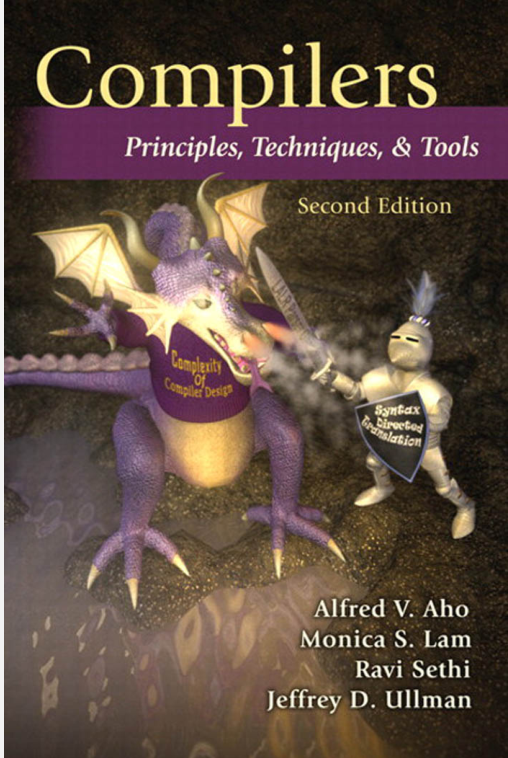
Compilers Principles, Techniques, and Tools, Second Edition
Alfred V. Aho, Monica S. Lam, Ravi Sethi, Jeffrey D. Ullman,Ilmiy axborot faoliyati. Informatika, -
 Ilmiy axborot faoliyati. Informatika,
 -
 Ilmiy axborot faoliyati. Informatika,
 -
 Ilmiy axborot faoliyati. Informatika,
 -
-
-
 Ilmiy axborot faoliyati. Informatika,
 -
 Ilmiy axborot faoliyati. Informatika,
 -
 Ilmiy axborot faoliyati. Informatika,
 -
-
-
 Ilmiy axborot faoliyati. Informatika,
 -
 Ilmiy axborot faoliyati. Informatika,
 -
 Ilmiy axborot faoliyati. Informatika,
 -
 Ilmiy axborot faoliyati. Informatika,
 -
-
 Ilmiy axborot faoliyati. Informatika,
 -
 Ilmiy axborot faoliyati. Informatika,
 -
-
 Ilmiy axborot faoliyati. Informatika,
-
Compilers Principles, Techniques, and Tools, Second Edition
Alfred V. Aho, Monica S. Lam, Ravi Sethi, Jeffrey D. Ullman,It takes at least two quarters or even two semesters to cover all or most of the material in this book. It is common to cover the rst half in an undergraduate course and the second half of the book | stressing code optimization |ina second course at the graduate or mezzanine level. Here is an outline of the chapters
-
Head First Design Patterns
Eric Freeman, Elisabeth Robson,Here you are trying to learn something, while here your brain is doing you a favor by making sure the learning doesn't stick. Your brain's thinking,"Better leave room for more important things, like which wild animals to avoid and whether naked snowboarding is a bad idea
-
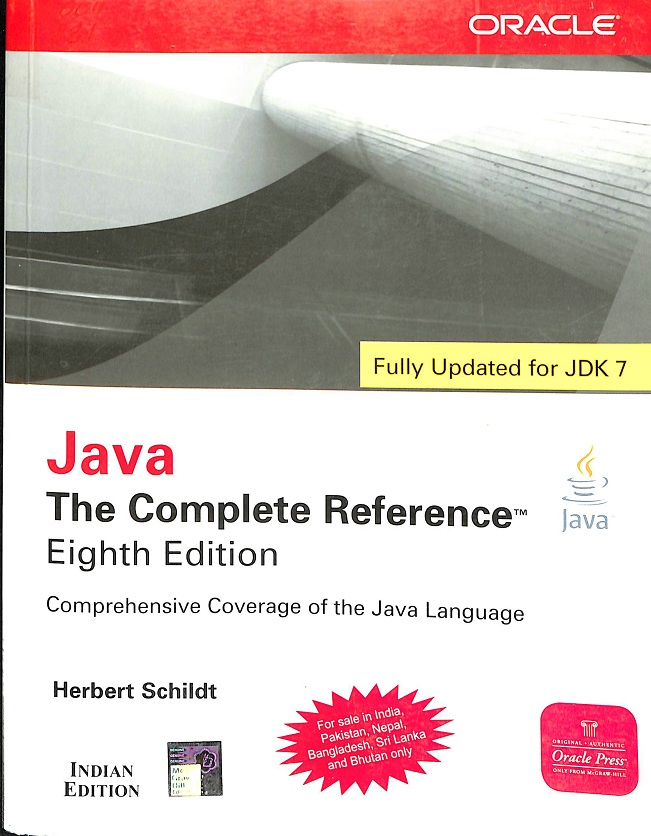
Java The Complete Reference Eighth Edition
Herbert Schildt,To fully understand Java, one must understand the reasons behind its creation, the forces that shaped it, and the legacy that it inherits. Like the successful computer languages that came before, Java is a blend of the best elements of its rich heritage combined with the innovative concepts required by its unique mission.
-
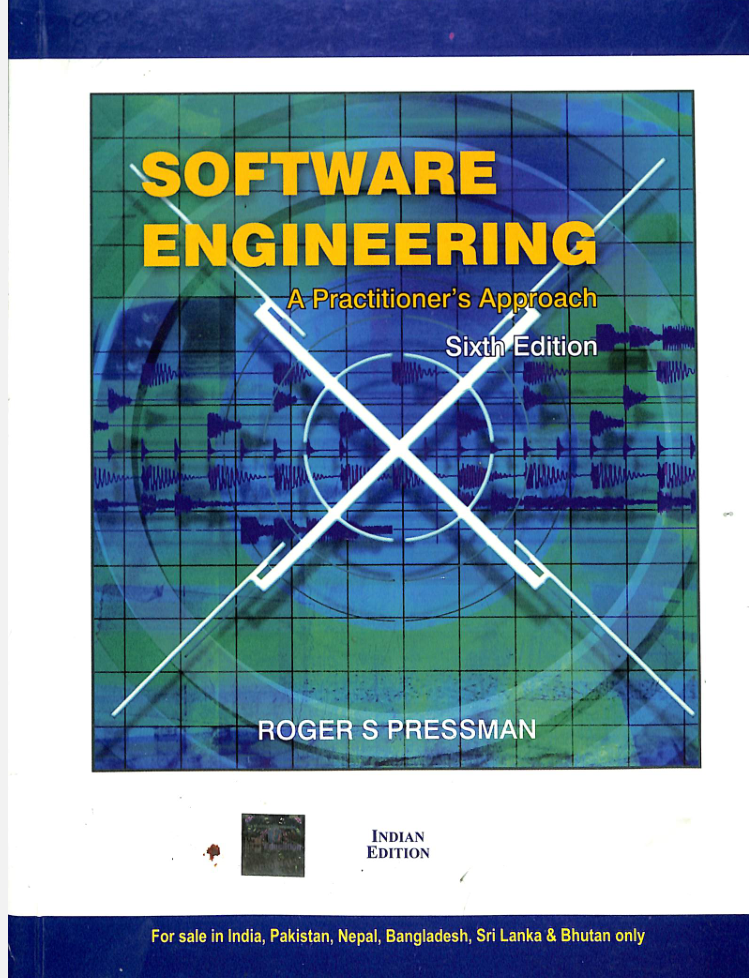
Software engineering A Practitioner's Approach Sixth Edition
Roger S Pressman,The sixth edition of Soflware Enginecring. A Practitioner's Approach is intended to serve as a guide to a maturing engineering discipline. The sixth edition like the five editions that preceded it, is intended for both students and practitioners, retaining its appeal as a guide for the industry professional and as a comprehensive introduction for the student at the upper-level undergraduate or first-year graduate level. The sixth edition is considerably more than a simple update.
-

Programming in Visual Basic 6
Ivan Bayross,Visual Basic has always been perceived as a very simple programming environment. Most people who are starting out to program for the first time choose to learn Visual Basic because of this perception
-

Comdex Computer Course Kit
Vikas Gupta,Iwould describe this course kit in one simple line: "The kit that makes learning computers easy for anyone who wishes to learn computers". The slogan "Computer learning made easy. Qualification required: Ability to read" is based on this concept.
-
Building the perfect PC
Robert Bruce Thompson, Barbara Fritchman Thompson,This book is intended for anyone who wants to build a PC for personal or business use. System builders of any experience level will find this book useful because it explains the concepts used to design a PC to fit specific needs and budgets and provides the information needed to choose the best components
-
The Complete Reference Linux Sixth Edition
Richard Petersen,This book identifies seven major Linux topics: shell environments, desktops, applications, security, servers, system administration, and network administration. It is really several books in one-a-a desktop book, a shell-user book, a security book, a server book, and an administration book-how you choose to use it depends upon how you want to use your
-
Mobile and Wireless Design Essentials
Martyn Mallick,Mobile and wireless application development has come a long way in the past few years. It has progressed beyond the hype of wireless Web applications for consumers to the reality of high-value mobile applications for corporate users. Opportunities abound for creating new mobile and wireless applications that provide vital benefits to any business.
-

Software Testing Techniques
Boris Beizer,I started to write the first edition of Software Testing Techniques in 1978. It was published in 1983, but most of the references predated 1980: the first edition was a book for the 80s that reported on the state of software testing as of the late 70s. This edition will be published at the beginning of a new decade.
-
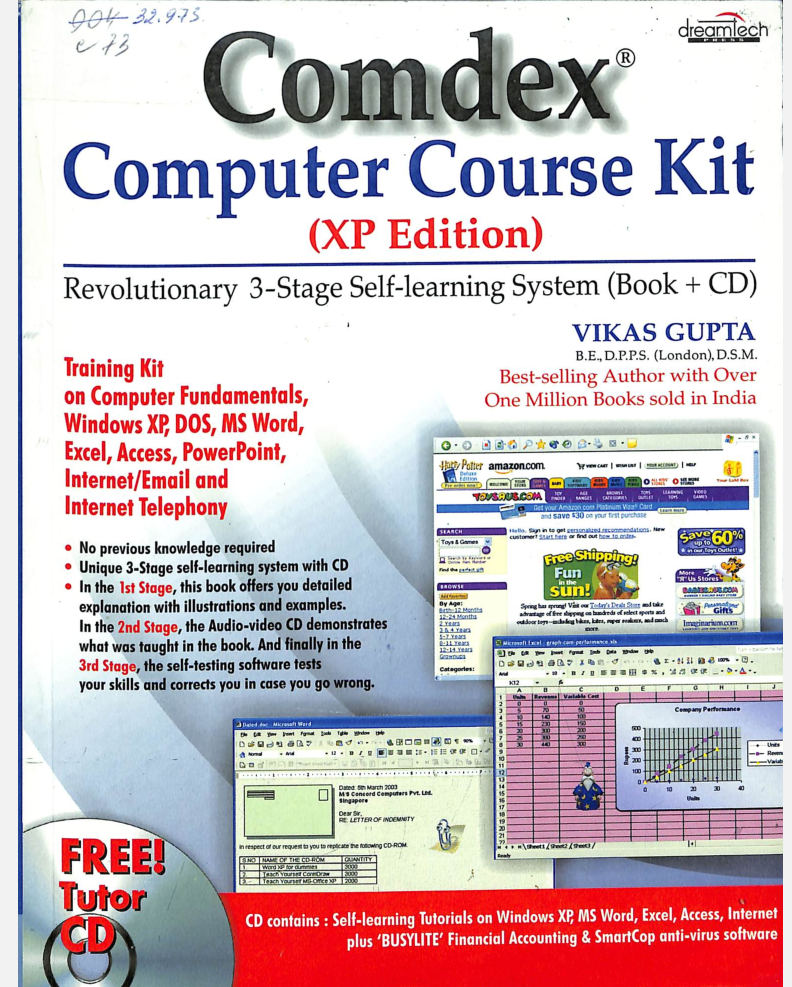
Comedex Computer Course Kit
Er. V.K. Jain,This book and the enclosed CD may not be duplicated in any way without the express written consent of the publisher, except in the form of brief excerpts or quotations for the purposes of review. The informationcontained herein is for the personal use of the reader and may not be incorporated in any commercial programs, other books, databases, or any kind of software without written consent of thepublisher. Making copies of thisbook or any portion for any purpose other than your own isa violation ofСолае copyright laws. Combn
-
Thinking in C++ introduction to Standart C++ Volume 1
Bruce Eckel,"Thinking in C++ patiently and methodically explores the issues of when and how to use inlines, references, operator overloading., inheritance and dynamic objects, as well as advanced topics such as the proper use of templates, exceptions and multiple inheritance. The entire effort is woven in a fabric that includes Eckel's own philosophy of object and program design. A must for every C++ developer's bookshelf, Thinking in C++ is the one C++ book you must have if you're doing serious development with C++."
-
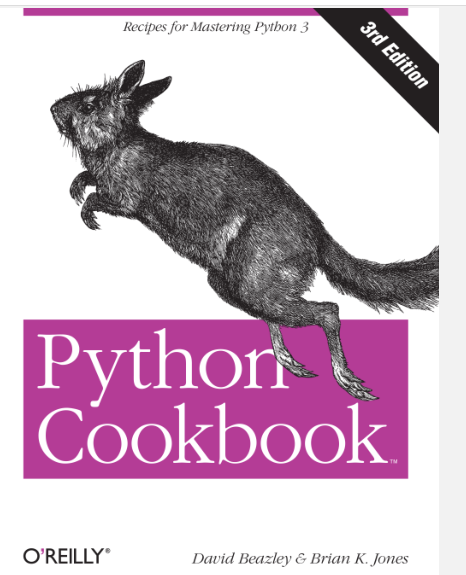
Python Cookbook 3rd edition
David Beazley&Brian K.Jones,Just as Python 3 is about the future, this edition of the Python Cookbook represents a major change over past editions. First and foremost, this is meant to be a very forward looking book. All of the recipes have been written and tested with Python 3.3 without regard to past Python versions or the “old way” of doing things. In fact, many of the recipes will only work with Python 3.3 and above. Doing so may be a calculated risk,but the ultimate goal is to write a book of recipes based on the most modern tools andidioms possible. It is hoped that the recipes can serve as a guide for people writing new code in Python 3 or those who hope to modernize existing code.
-
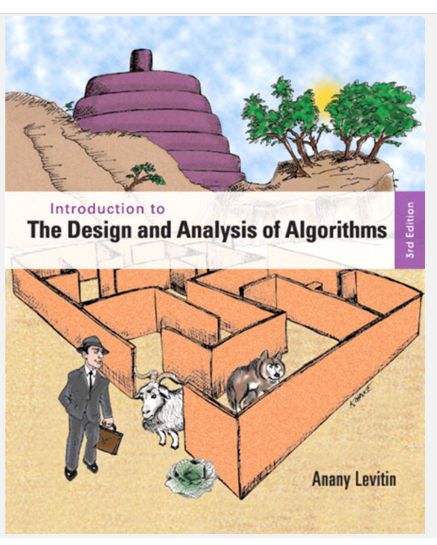
Introduction to the design and analysis of algorithms 3rd edition
Anany Levitin,Most applications of the design techniques in the book are to classic problems of computer science. (The only innovation here is an inclusion of some material on numerical algorithms, which are covered within the same general framework.) But these design techniques can be considered general problem solving tools,whose applications are not limited to traditional computing and mathematicalproblems. Two factors make this point particularly important. First, more andmore computing applications go beyond the traditional domain, and there are reasons to believe that this trend will strengthen in the future. Second, developing students’ problem solving skills has come to be recognized as a major goal of college education. Among all the courses in a computer science curriculum, a course on the design and analysis of algorithms is uniquely suitable for this task because it can offer a student specific strategies for solving problems
-
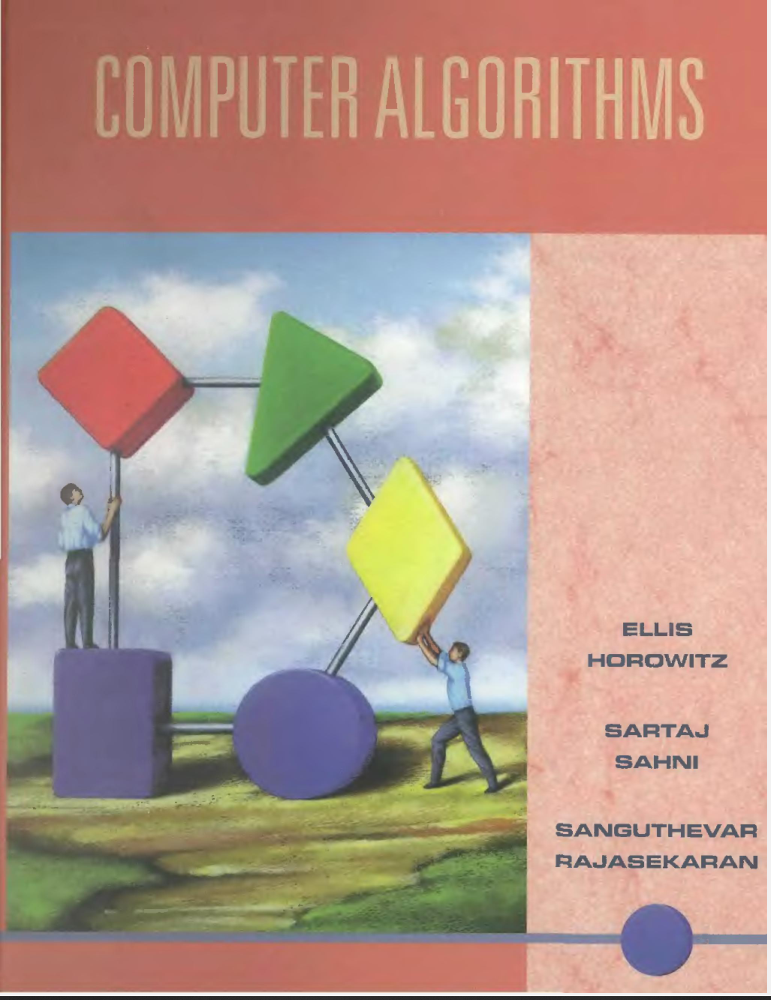
Computer algorithms
Ellis Horowitz Sartaj Sahni Sanguthevar Rajasekaran,A book which contains every algorithm ever invented would be exceedingly large. Traditionally, algorithms books proceeded by examining only asmall number of problem areas in depth. For each specific problem the most efficient algorithm for its solution is usually presented and analyzed. Thisapproach has one major flaw. Though the student sees many fast algorithms and nay master the tools of analysis, she/he remains unconfident about how to devise good algorithms in the first place.
-
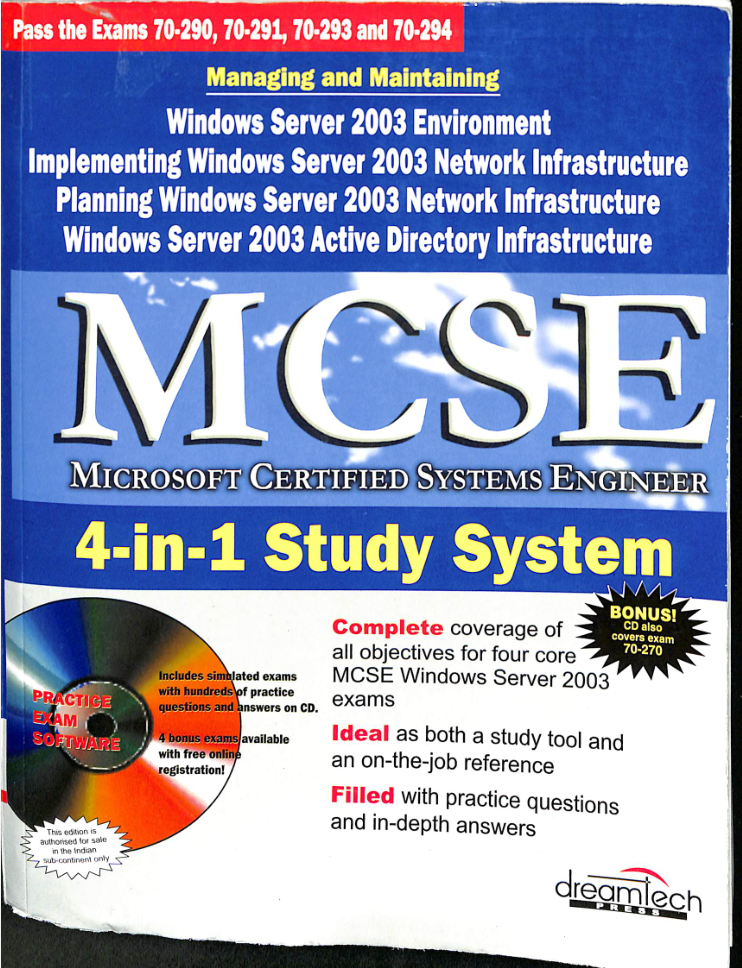
MCSE 4-in-1 Study System
Brian Culp,This is my fourth book now. with McGraw-Hill/Osborne, and I am very fortunate to work for and with such an excellent team of talented people. The people mentioned here deserve much more credit than can be conveyed in these few paragraphs. They do a hell of a lot ofwork, not the least is dealing with authors who a) can't follow directions, b) won't follow directions, c) have forgotten directions, or d) have lost directions.
-
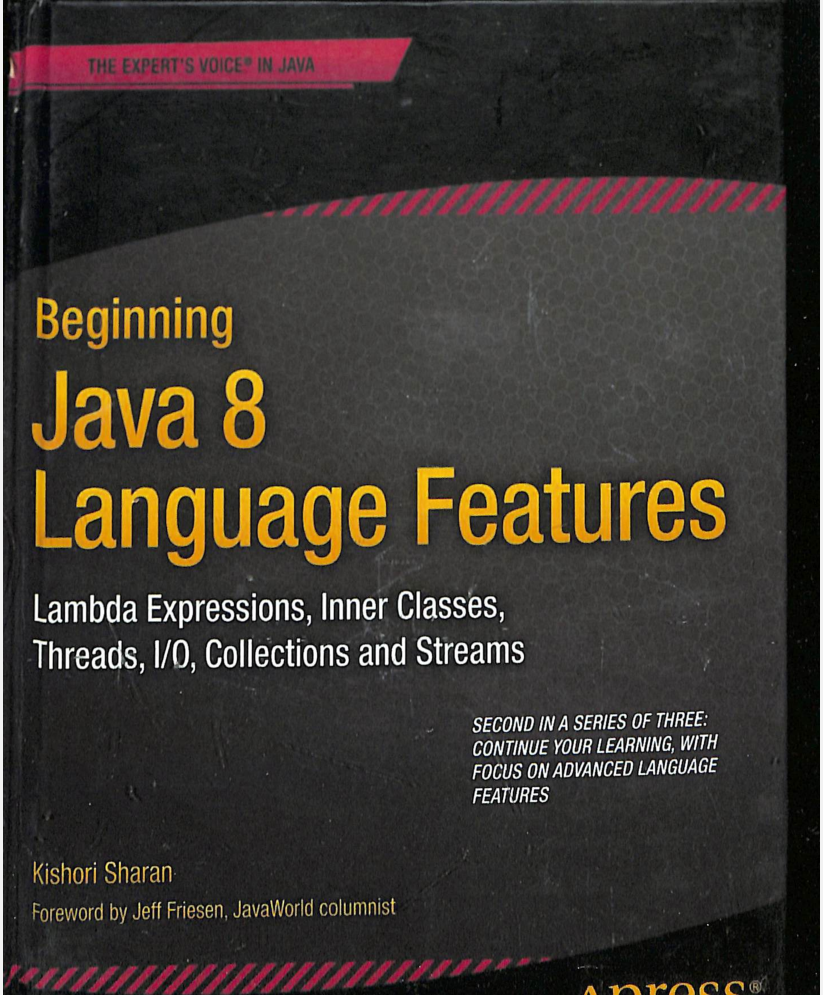
Beginning Java 8 Language Features
Kishori Sharan,This book is the beginning, not the end,ofgaining the knowledge of the Java programning language. Ifytu are reading this book, it meansyou are heading in the right direction to learn the lava programning language, which willenable you to excel inyour academic andprofessional career. However, there is alwaysa higher goal foryou to achleve and you mustconstantly work hard to achieve it.
-
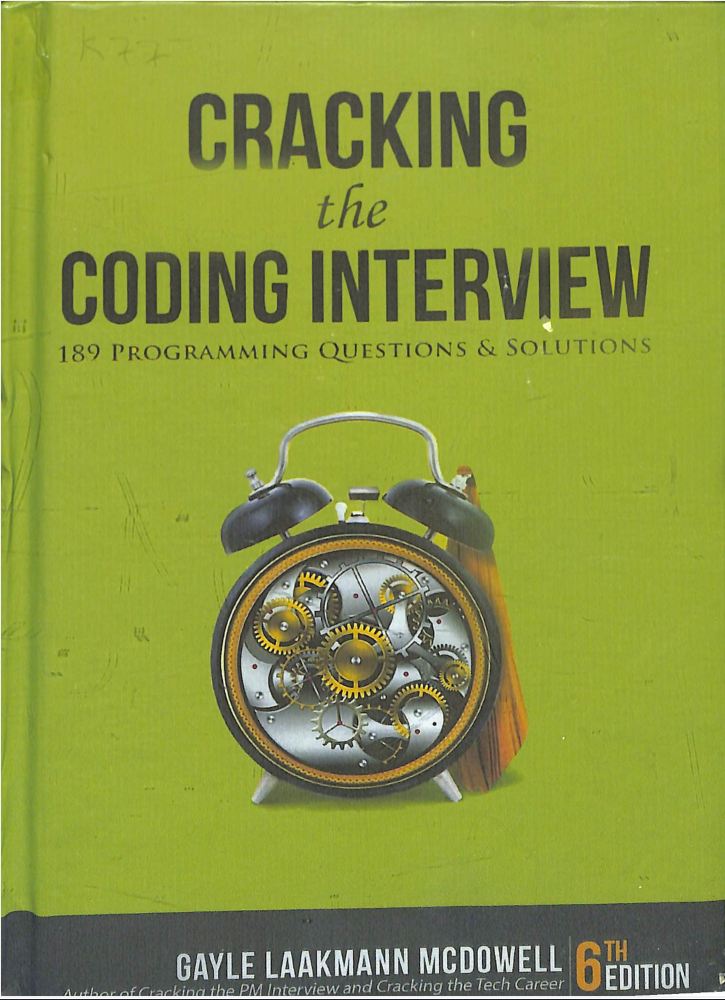
Cracking the Coding Interview
Gayle Laakmann McDowell,The 6th edition of Cracking the Coding Interview updates the Sth edition with 70% more content: additional questions, revised solutions, new chapter introductions, more algorithm strategies, hints for all problems, and other content. Be sure to check out our website, CrackingTheCodingInterview.com, to connect other candidates and discover new resources
-

Cloud Native Java
Josh Long, Kenny Bastani,This book is aimed primarily at Java/JVM developers who are looking to build better software, faster, using Spring Boot, Spring Cloud and Cloud Foundry. You've heard the buzz around microservices. Perhaps you've seen the stratospheric rise of Spring Boot, and wondered why most enterprises today are using Cloud Foundry.
-
Professional Android Fourth Edition
Reto Meier, Ian Lake,This book is for anyone interested in creating applicattons for the Androod platform., It inchides nfnrmation that will be valuable,whether you're an experienced mobile developer on other platforms, making your first foray into wrming mobile apps, and if you have some Android development experience